
The classic ferry connection between Metro Vancouver and Victoria runs between Tsawwassen and Swartz Bay. The sailing itself is part of the experience, with open-water views and a passage through the Gulf Islands, but the full city-to-city journey includes terminal transfers on both sides.
This guide is designed for travellers building a real itinerary rather than collecting pins on a map. It focuses on Vancouver to Victoria ferry, realistic timing, the stops that justify slowing down and the practical details that can turn an attractive route into a comfortable trip.
| Region | British Columbia |
|---|---|
| Ideal time | 1 travel day, or 2–4 days with Victoria |
| Best season | Year-round; reserve ahead for summer weekends and holiday periods |
| Useful gateway | Vancouver and Victoria |
Why this journey deserves its own itinerary
Canada rewards travellers who recognise that the journey often carries as much value as the destination. On this route, distances, ferry timings, weather and small communities are not inconveniences to eliminate; they are part of the travel experience. The best days usually combine one major stop with several smaller discoveries rather than trying to cover every named attraction between breakfast and dinner.
Another reason to plan carefully is scale. A route can look compact on a digital map while still involving terminal queues, construction, wildlife, viewpoints, meal stops and roads where passing opportunities are limited. Building margin into the day is one of the simplest ways to make the trip feel like a holiday rather than a transfer.
Essential planning facts
- Tsawwassen is south of central Vancouver, so allow generous time to reach the terminal.
- Swartz Bay is north of Victoria; reaching downtown requires another transfer by car, taxi, bus or shuttle.
- BC Ferries currently asks travellers with a reservation on this route to check in 30–60 minutes before departure; late arrival can forfeit the reserved space.
- Foot passengers can make the trip without renting a car, which works especially well for a Victoria city break.
For current operational information, use the official BC Ferries Tsawwassen–Swartz Bay schedule shortly before departure. Schedules, road restrictions, seasonal opening dates and reservation rules can change after an article is published, so the official source should always have the final word.
Best time to go
Year-round; reserve ahead for summer weekends and holiday periods. Summer usually offers the greatest choice of accommodation, tours and visitor services, but it also creates the strongest demand. Shoulder seasons can be excellent for quieter roads and lower accommodation pressure, provided you accept shorter daylight, cooler weather and reduced seasonal opening hours.
Never plan a route like this around climate averages alone. Wildfire smoke, storms, fog, road maintenance and unusually hot or cold periods can affect individual days. Check the forecast and route conditions again the evening before each major driving or ferry day, then keep one part of the itinerary flexible enough to move.
How many days do you need?
1 travel day, or 2–4 days with Victoria is a realistic target. Travellers who prefer photography, hiking, wildlife watching or long meals should choose the upper end of the range. The lower end works only when you accept that some secondary stops will be skipped.
A useful rule is to count a ferry day or a long-distance transfer as a real travel day, not as invisible time between two sightseeing days. This is particularly important in Canada, where a nominal two-hour segment can absorb half a day once check-in, loading, meals and the final drive to accommodation are included.
Suggested route and pacing
- Plan: Leave downtown Vancouver with a substantial buffer, especially during weekday traffic or on summer weekends.
- Plan: Check in at Tsawwassen, confirm your lane or foot-passenger boarding instructions, and use the terminal time to eat rather than creating a tight connection.
- Plan: Spend part of the sailing outside when conditions are comfortable; the approach through the Gulf Islands is one of the most scenic sections.
- Plan: At Swartz Bay, continue to Victoria and avoid scheduling a timed attraction immediately after arrival.
- Plan: Use the evening for the Inner Harbour, Government Street or a relaxed waterfront walk.
This outline is intentionally conservative. Add extra nights where the trip interests you most instead of adding more kilometres. A slower plan gives you room to return to a viewpoint in better light, wait for poor weather to pass, take an unexpected trail or simply stop in a small town that looked more interesting than expected.
Best stops along the way
1. Downtown Vancouver departure planning
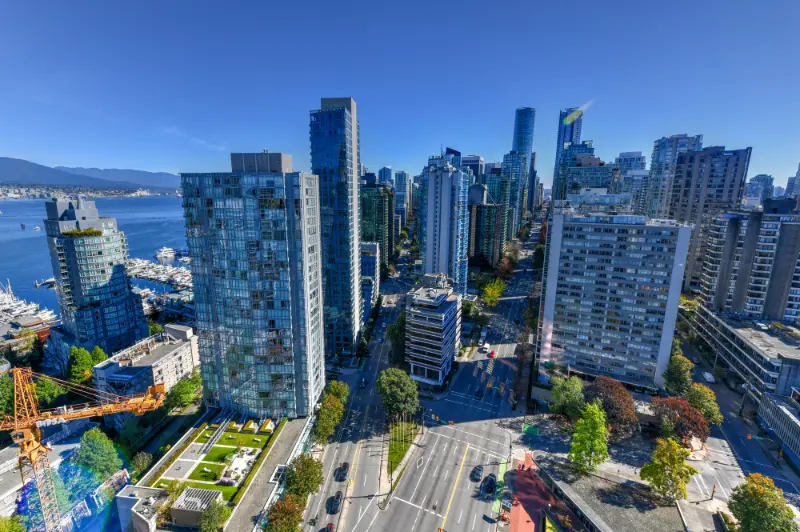
Downtown Vancouver departure planning works best as more than a quick photo stop. Give yourself enough time to walk, eat or look around without checking the clock every few minutes. The value is in understanding how this place fits into the wider British Columbia journey.
2. Tsawwassen terminal
At Tsawwassen terminal, decide in advance whether your priority is scenery, food, culture or an outdoor activity. Trying to do all four in a short stop usually creates more parking and navigation time than actual experience.
3. Strait of Georgia crossing
Strait of Georgia crossing is also a useful point to reassess the day. Check fuel, weather and arrival time before continuing. If the schedule has slipped, remove a minor stop rather than compensating by driving faster or arriving exhausted.
4. Southern Gulf Islands views
Travellers with extra time should consider an overnight near Southern Gulf Islands views. Early morning and evening often reveal a different atmosphere from the busy middle of the day, particularly in summer and on weekends.
5. Swartz Bay terminal
Use Swartz Bay terminal as a place to slow the route down. A short local walk or meal often adds more to the trip than another hour behind the wheel, especially after several consecutive transfer days.
6. Victoria Inner Harbour
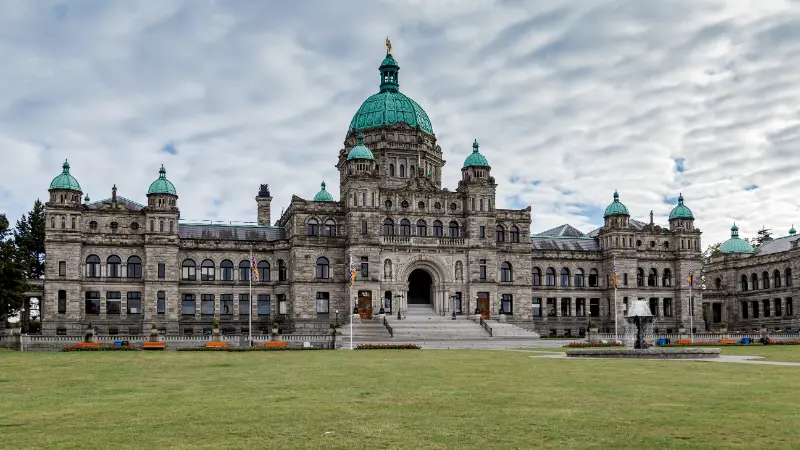
The approach to Victoria Inner Harbour is part of the experience, so keep your camera accessible only when parked safely. Pull over at designated areas rather than stopping on shoulders that are narrow, soft or exposed to fast traffic.
Driving, ferries and transport logistics
Before leaving each morning, confirm fuel range, expected travel time and whether your next segment depends on a reservation. Keep screenshots or offline copies of booking numbers, accommodation addresses and the next day’s route. Mobile service can disappear on surprisingly popular Canadian roads, particularly in mountain, forest and coastal sections.
If ferries are involved, arrive according to the operator’s published check-in window rather than according to the scheduled sailing time. When driving, avoid calculating arrival by dividing kilometres by the speed limit; scenic roads rarely behave like motorways. Construction zones, recreational traffic, wildlife and photo stops all reduce the average speed.
Where to stay
The most comfortable strategy is to stay near the point where you genuinely want to end the day, not in the place that happens to have the cheapest room forty minutes away. On a road trip, an inexpensive hotel can become poor value if it adds an hour of backtracking every morning and evening.
For this route, practical bases include Victoria, British Columbia. In high season, reserve the hardest-to-replace nights first: small communities, national-park gateways, ferry-linked towns and weekends. City nights usually offer more alternatives.
Check accommodation options for this route on Booking.com
Food, fuel and small-town stops
Road-trip meals are easiest when you separate “destination meals” from functional travel-day food. Book or plan one meal you genuinely care about, then keep breakfast, snacks and one flexible meal simple. Carry water and a small emergency food reserve on remote stretches; this avoids making poor decisions because the only open option is far away.
Local bakeries, markets, seafood counters, farm stands and independent cafés are often among the most memorable stops. They also help distribute spending beyond the headline attractions. Opening days can be limited outside peak summer, so verify small businesses before driving a long detour specifically for one place.
Safety and comfort
Keep the fuel tank comfortably above empty, especially when signs warn of long service gaps. Avoid driving remote sections when exhausted or after dark if wildlife is common. In coastal areas, fog and heavy rain can reduce visibility quickly; in mountain and northern regions, weather can change even faster.
For hikes, viewpoints and beaches, carry layers, waterproof protection and enough water for a delay. Tell someone where you are going when the stop is remote. A road trip feels spontaneous because you have prepared for the unplanned parts, not because you ignored them.
How to connect this route with a wider Canada trip
This journey links naturally with Vancouver Travel Guide, Victoria BC Travel Guide, How to Get to Vancouver Island. Use those guides to decide whether the route should be the centre of the holiday or a short section inside a larger provincial itinerary.
When connecting regions, one domestic flight or an extra overnight can often save a trip from becoming too ambitious. Canada is enormous; a strong itinerary does not prove how far you can travel, but how much of each place you have time to experience.
Common mistakes to avoid
Planning every night in a different place creates constant packing and check-in fatigue. Trusting map times too literally ignores ferries, construction and scenic stops. Leaving accommodation until the last minute can be expensive in small destinations. Finally, driving after a full activity day is one of the easiest ways to make the route less enjoyable and less safe.
Final tips
Build the itinerary around the moments you would regret missing, then leave breathing room between them. Confirm the official route or ferry information just before travel, keep offline directions, and treat weather as a planning variable rather than an annoyance. If one stop becomes the highlight of the trip, stay longer.
The best Canadian road journeys are rarely the ones with the highest number of stops. They are the ones where you remember the changing landscape, the quiet café, the unexpected wildlife sighting and the evening when you arrived early enough to walk instead of immediately looking for the next destination.
Some links on this page are affiliate links. If you make a booking through them, Dreaming of Canada may earn a commission at no extra cost to you.