
Accessible Victoria BC travel can be particularly appealing to travellers who prefer a compact city centre and a slower pace. The Inner Harbour places several major sights close together, while BC Transit publishes accessibility guidance for buses and designated accessible stops.
The main planning distinction is between central Victoria and the wider region. Downtown can be explored in short segments, but destinations such as Butchart Gardens, coastal viewpoints and municipalities outside the core require a more deliberate transport plan. A rental car may help some travellers, while others may prefer accessible taxis or tours that can confirm equipment accommodation in advance.
Victoria BC: accessible travel at a glance
| Ideal stay | 3 to 4 days |
|---|---|
| Best for | compact harbour sightseeing, museums, gardens and a slower-paced city break |
| Car | not necessary for the Inner Harbour core; useful for selected gardens and regional day trips |
| Main planning issue | not every BC Transit stop is designated accessible, while hills and heritage buildings vary by route |
What “accessible” should mean when you plan
Accessibility is personal. Two travellers who both use wheelchairs may need different doorway widths, transfer space, slopes or assistance. A traveller with low vision, hearing loss, chronic pain, fatigue, autism or another non-visible disability may need completely different information. I therefore use the word accessible only as a starting point, never as a guarantee that one route works for everyone.
Before paying for anything non-refundable, write down the features that are essential for you: step-free entry, lift dimensions, roll-in shower, bed clearance, visual alarms, quiet space, refrigerator for medication, proximity to transit, accessible parking, companion seating or a specific mobility-aid limit. Then verify those items with the operator that controls them.
How I would plan an accessible trip to Victoria BC
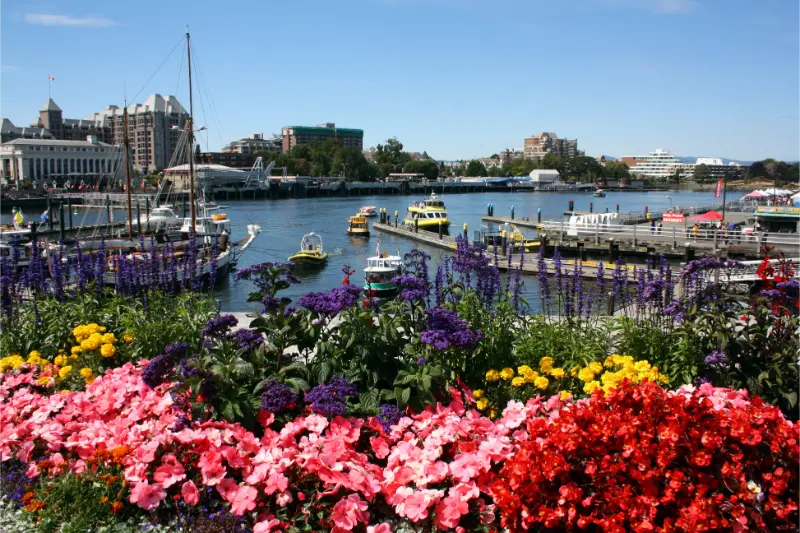
Start with the Inner Harbour
The harbour gives you a visually rewarding orientation without requiring a long first day. Choose level waterfront segments and identify seating and indoor stops.
Check BC Transit stops, not only routes
BC Transit explains that accessible vehicle features can only be safely used at designated accessible stops. Verify both the boarding and exit stops.
Use the Royal BC Museum area as an anchor
Large public institutions and surrounding open space make it easier to build a day with rest, toilets and weather protection. Confirm current exhibits and entrance details.
Plan Butchart Gardens as its own trip
The gardens publish their own accessibility information and the site is large. Transport, gradients and distance may matter more than the nominal accessibility of the entrance.
Treat heritage areas selectively
Victoria has older buildings and narrow shop entrances alongside modern public spaces. A neighbourhood can be generally manageable while individual businesses are not step-free.
Keep coastal weather in mind
Wind and rain can make waterfront routes more tiring. Carry a light waterproof layer even when the forecast looks mild.
Do not overfill the schedule
Victoria works especially well with two or three major stops per day and time for the harbour. This also leaves room to reroute around a difficult curb or stop.
Choosing an accessible hotel
Hotel filters are useful for finding candidates, but they are not enough for a final decision. “Accessible room” can refer to different layouts even inside the same property. I would contact the hotel and ask about the exact room category, step-free route from street or parking, lift access, doorway width if relevant, bathroom layout, shower or tub, grab bars, bed height, space beside the bed and any equipment you need to charge.
If your trip depends on a particular room feature, ask for written confirmation and keep it with the reservation. Compare current properties and refundable rates on Booking.com but verify critical accessibility details directly with the hotel before the free-cancellation deadline.
Getting around without unnecessary transfers
Transfers are where accessible itineraries often become fragile. Every extra connection adds another platform, lift, curb, weather exposure or chance of delay. I prefer direct routes even when they look slightly slower on a journey planner. Save the accessible-transit page and live service-alert page to your phone, and take a screenshot of any important assistance confirmation in case mobile data is weak.
If you use a wheelchair or scooter, check size and weight limits for vehicles and lifts. If fatigue or pain is the main concern, build seated breaks into the route before you need them. A short taxi ride can sometimes be the most efficient accessibility tool in the itinerary rather than an unnecessary luxury.
A realistic 3 to 4 days accessible itinerary
This itinerary is deliberately light. The objective is not to prove how much can fit into one day; it is to keep enough margin for boarding, washrooms, queues, rest, equipment checks and unexpected route changes.
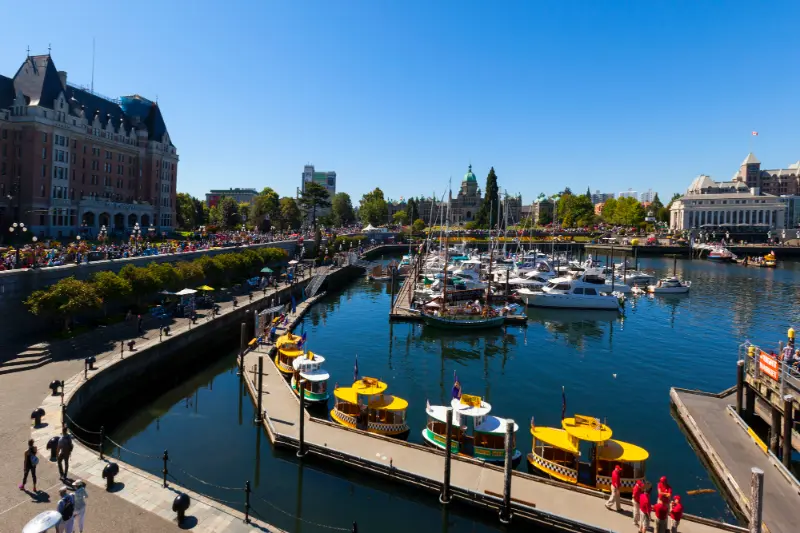
Day 1
Inner Harbour, Parliament exterior viewpoints and nearby indoor attractions.
Day 2
Royal BC Museum area, Beacon Hill Park accessible sections and a short waterfront route.
Day 3
Butchart Gardens or another regional attraction with transport arranged in advance.
Day 4
Fisherman’s Wharf area, harbour views and a flexible cultural stop depending on weather and access.
Accessible toilets, rest stops and energy management
Accessible travel improves dramatically when toilets and rest stops are planned as part of the route. Museums, visitor centres, shopping centres and large public attractions are useful anchors because they usually provide more predictable facilities than small independent businesses. Do not assume a washroom marked accessible will match your transfer or caregiver needs; where this is critical, contact the venue.
For travellers managing fatigue, pain or heat sensitivity, I would plan the longest outdoor segment first, when energy is highest, and keep the afternoon close to transport. A folding cushion, water bottle, medication kit, portable charger and a small repair kit for mobility equipment can be more useful than adding one more attraction.
Weather can change accessibility
Canada’s weather is not just a packing question. Snow can block curb cuts, rain can make wooden surfaces slick, heat can increase fatigue and mountain conditions can leave ice on a supposedly easy path. Check the short-range forecast and any attraction or park advisories again on the morning of travel.
In winter, I would prioritize a hotel with a genuinely short step-free route to useful transport rather than a cheaper room several blocks away. In summer, build shade and indoor breaks into the day. Shoulder seasons can be excellent, but freeze-thaw conditions and maintenance work create their own barriers.
Questions to ask before booking a tour or attraction
- Is the entrance step-free from the street, parking area or drop-off?
- Are all parts of the advertised experience accessible, or only selected sections?
- What are the lift, ramp or mobility-device size limits?
- Is there accessible seating and can it be reserved?
- Are accessible washrooms on the same level as the main experience?
- Can a support person accompany the traveller without an additional fee?
- Are service animals permitted in every part of the experience?
- What happens if an elevator or lift is out of service?
For a high-priority experience, call or email rather than relying only on a generic website icon. The answer can also reveal whether staff understand the practical details of their own accessibility provision.
Transporting a wheelchair, scooter or other mobility aid
For flights or long-distance transport, keep the make, model, dimensions, weight and battery information for your mobility aid. Photograph the equipment before handing it over and label removable parts. The Canadian Transportation Agency publishes specific guidance on travelling with mobility aids and assistive devices on federally regulated transport.
If your chair has a complex power system, bring concise handling instructions that a baggage or transport team can follow. Carry essential detachable components, medication and chargers in accordance with carrier rules whenever possible rather than placing every critical item out of reach.
What I would not assume
I would not assume that a heritage district is impossible, that a modern building is automatically perfect, that every station on an accessible route has a working elevator, or that an “easy” nature trail is wheelchair-friendly. I would also avoid basing a trip on old blog posts because access projects and temporary closures change quickly.
The most reliable strategy is a layered one: official accessibility information first, direct confirmation for critical details second, and recent traveller experience as a useful supplement rather than the final authority.
Useful official accessibility resources
These are the pages I would check again shortly before travel:
Related Dreaming of Canada guides
- Victoria BC Travel Guide
- How to Get Around Victoria BC
- 3 Days in Victoria BC
- Victoria BC Neighbourhoods Guide
Frequently asked questions about accessible travel in Victoria BC
Are Victoria buses accessible?
BC Transit provides accessible buses, but mobility-device boarding depends on using designated accessible stops.
Can I visit Victoria without a car?
Yes for a central itinerary. Regional gardens and coastal areas need additional transport planning.
Is the Inner Harbour flat?
Many central waterfront sections are manageable, but street grades vary as you move away from the water.

Is Butchart Gardens accessible?
The gardens provide accessibility information and services, but the site is large. Review the current official page for route and mobility details.
What is the best hotel location?
A central base near the Inner Harbour can reduce daily transfers, provided the property’s room and entrance meet your individual needs.
My final planning advice for Victoria BC
An accessible trip works best when the difficult details are solved before they become emergencies. Verify the hotel room, reduce unnecessary transfers, keep a transport backup and confirm the exact route into your highest-priority attraction. That leaves more of the trip for what you actually came to experience rather than for solving logistics on the pavement.
Accessibility information can change. Always confirm current services and individual requirements with the transport operator, hotel, attraction or park before travel. Disclosure: some links in this article may be affiliate links. If you make a booking through them, Dreaming of Canada may earn a commission at no extra cost to you.