
Saskatchewan rewards travellers who stop measuring a trip by the number of famous landmarks and start paying attention to distance, sky, small towns and the way the landscape changes. A ten-day road trip is long enough to connect the province’s two main cities with boreal forest in the north and open prairie in the south without turning every day into a highway marathon.
This itinerary is designed for a first visit with a rental car. It begins in Saskatoon, loops north to Prince Albert National Park, turns south through Regina and Moose Jaw, and finishes in the southwest around Cypress Hills. You can reverse it if flights or rental-car prices work better from Regina. The important idea is to leave breathing room: Saskatchewan looks simple on a map, but scenic detours, wildlife stops and weather can easily stretch a driving day.
Quick planning overview
| Ideal length | 10 days |
|---|---|
| Best season | Late May to September |
| Main gateways | Saskatoon or Regina |
| Driving style | Easy highways with long rural stretches |
| Best for | Road trips, nature, prairie landscapes and small cities |
Days 1–2: Saskatoon
Spend the first two days in Saskatoon rather than collecting the car and leaving immediately. The South Saskatchewan River gives the city a strong sense of place, and walking the Meewasin Valley trails is an easy introduction after a flight. Build one day around the river, Broadway and downtown, then give a second day to Wanuskewin Heritage Park and one of the city’s museums or food neighbourhoods.

Two nights also protect the itinerary from travel delays. If your flight arrives late, you do not lose a national-park day. Saskatoon is compact enough that you can postpone the rental car until the morning you leave, although having it earlier is convenient for Wanuskewin and suburban accommodation.
Days 3–4: Prince Albert National Park and Waskesiu
Drive north through Prince Albert toward Waskesiu Lake. The change from farmland to boreal forest is one of the reasons to include this section of the trip. Use Waskesiu as your base for two nights so you can combine lakeshore time with short hikes, wildlife watching and a longer scenic drive rather than rushing in and out as a day trip.
Prince Albert National Park is open year-round, but many visitor services are seasonal. In 2026 the Waskesiu Visitor Centre has extended daily summer hours from May 14 through September 7, followed by shorter fall hours. If you bring a canoe, kayak, paddleboard or other watercraft, note that Parks Canada requires an aquatic invasive species watercraft certification permit before launch.
Day 5: Drive south toward Regina
The drive from Waskesiu to Regina is a long but manageable transition day. Rather than scheduling a list of attractions, use it to notice how quickly the landscape opens as you leave the forest. Stop for lunch, fuel before long rural stretches and arrive in Regina with enough daylight for a walk around Wascana Centre.
If you dislike long driving days, split the route with an overnight around Saskatoon and add a day to the trip. The ten-day version works because it keeps most other driving days moderate.
Day 6: Regina
Regina deserves a full day. Wascana Centre is the natural anchor, and you can pair it with the Royal Saskatchewan Museum, provincial history or the RCMP Heritage Centre depending on your interests. The city is not huge, but trying to combine it with Moose Jaw on the same day usually makes both places feel like quick stops.
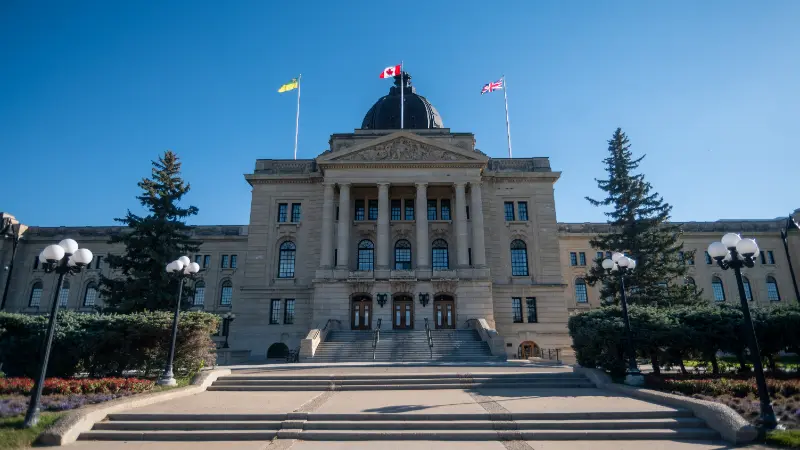
Use the evening for a relaxed meal rather than another drive. Prairie road trips are more enjoyable when cities become recovery points between outdoor days.
Day 7: Moose Jaw
Moose Jaw is close enough to Regina that you can leave after breakfast and still have almost a full day. The historic downtown, murals and the city’s best-known tunnel attractions create a very different atmosphere from Regina. Walk rather than driving from one block to the next; the compact centre is part of the experience.
Stay overnight in Moose Jaw if you enjoy slower travel. It also positions you well for the longer drive toward southwest Saskatchewan the next morning.
Days 8–9: Cypress Hills and Maple Creek
Continue west toward Maple Creek and Cypress Hills Interprovincial Park. The forested hills feel surprisingly different from the surrounding prairie. Base yourself in the Centre Block for easier access to services, viewpoints, trails and dark-sky programs, then use a second day for the West Block or Fort Walsh area if road conditions are suitable.
The Centre and West Blocks are separate, so do not assume you can move between them as casually as two neighbourhoods of one park. The West Block is more rustic and has limited cellular service. Check road conditions before using the Gap Road or other less-developed connections.
Day 10: Departure or one more prairie detour
Your final day depends on the airport. Returning to Regina is the simplest option if you arranged an open-jaw flight or rental plan. If you must return to Saskatoon, allow a longer driving day and do not schedule a tight evening flight.
With extra time, the southwest can easily absorb another night. Grasslands National Park is one of Canada’s most distinctive prairie landscapes, but adding it properly is better than squeezing it into a rushed final day.
Best time to visit
Summer provides the widest choice of visitor services, campground openings and long daylight. June can feel fresh and green, July and August are warmer and busier, and September often brings comfortable road-trip weather with fewer families travelling after school resumes.
Prairie weather can change quickly. Hot afternoons, strong wind, thunderstorms, wildfire smoke and cold mornings are all possible in the same broad season. Carry layers, water and a backup indoor stop rather than building an itinerary that depends on perfect conditions every day.
Getting there and getting around
For this route, a car is essential once you leave the cities. Major highways are straightforward, but fuel stations and food options become less frequent in remote areas. Fill up before entering parks or the southwest if your tank is low, and download maps for offline use.
One-way car rentals can save time if available at a reasonable price. If the surcharge is high, use either Saskatoon or Regina as a round-trip gateway and adjust the order of the loop.
Where to stay
Use Saskatoon, Waskesiu, Regina, Moose Jaw and the Cypress Hills/Maple Creek area as your main overnight bases. Booking two nights in nature-focused destinations is usually more valuable than changing hotels every evening. Check current accommodation options on Booking.com.
Culture, communities and responsible travel
The road crosses Treaty territories and places with deep First Nations and Métis histories. Make cultural stops part of the route rather than an optional add-on, and approach interpretive sites as living cultural spaces rather than simply historical attractions.
Practical planning details that make the trip easier
Keep one flexible half-day in the schedule. If rain closes a trail, smoke reduces a viewpoint or a museum holds your attention longer than expected, that buffer prevents the whole trip from becoming stressful.
Driving distances can look deceptively short on a provincial map. Use realistic door-to-door times that include fuel, lunch, construction and photo stops, especially when you are travelling with children.
If you plan to camp, reserve the most popular park nights first and build the city stays around them. In remote areas, accommodation choice can be far more limited than in Saskatoon or Regina.
Budget and booking strategy
Accommodation and transport are usually the two costs worth locking in first. In smaller Canadian communities, limited inventory can make a flexible last-minute plan more expensive rather than cheaper. Compare refundable rates, understand cancellation deadlines and reserve the hardest-to-replace night before spending time optimising minor attractions.
Keep a separate daily budget for fuel, meals, park or attraction fees and optional guided experiences. Remote travel often shifts costs away from admission tickets and toward transport, food and logistics. A realistic budget makes it easier to say yes to one meaningful local experience instead of spending the whole trip trying to minimise every small expense.
Travelling with children or a mixed-ability group
For families, alternate longer driving or outdoor periods with simple stops where children can move freely. A beach, riverside path, playground, visitor centre or short interpretive trail can be more useful than another scenic pullout after several hours in the car. Check trail surfaces and washroom availability rather than judging difficulty only by distance.

For travellers with limited mobility, call visitor centres or operators before arrival when an experience is important. Accessibility can vary significantly between historic buildings, wilderness trailheads and modern facilities, and northern or rural conditions may change with weather.
Safety and weather
Check the official weather forecast and current road, trail or wildfire information close to departure. Canada’s interior and northern regions can move from warm sun to strong wind, smoke, rain or cold quickly. Carry water, a warm layer and a charged phone even on a short outing, and tell someone your plan when leaving populated areas.
Wildlife should be observed from a distance. Never feed animals, keep food secured and follow local bear-safety guidance where applicable. On road trips, slowing down around dawn and dusk is as much about avoiding wildlife collisions as it is about seeing animals.
Useful official resources
Prince Albert National Park · Tourism Saskatchewan · Cypress Hills Interprovincial Park
Continue planning your Canada trip
Saskatchewan travel guide · Saskatoon guide · Regina guide · Grasslands National Park guide
Final thoughts
A good Saskatchewan road trip is less about racing between attractions and more about letting the province change around you. Ten days gives you enough time to experience a river city, boreal forest, provincial capital, historic prairie town and high southwest plateau while still leaving space for the quiet stretches that make the journey memorable.
Disclosure: some links in this article may be affiliate links. If you make a booking through them, Dreaming of Canada may earn a commission at no extra cost to you.