
3 Days in Calgary: The Perfect First-Time Itinerary is designed for a first visit where you want to see the essentials without spending half the trip in transit. Three days is enough to understand the city, but only if you group sights by neighbourhood and leave space for weather, food and the small discoveries that make a Canadian city feel different from the next one.
This itinerary is deliberately practical rather than aspirational. It tells you what fits together, what is worth booking, where you are likely to lose time and how to change the plan when rain, snow, crowds or fatigue intervene. If you want a broader overview first, start with our Calgary Travel Guide. If you are flying in, read our Calgary Airport YYC Guide before arrival.
3 days in Calgary: itinerary at a glance
| Day 1 | East Village, downtown and the Bow River |
|---|---|
| Day 2 | Inglewood, zoo or science, and local Calgary |
| Day 3 | Heritage Park or urban outdoors |
The core strategy: keep each day geographically coherent. A first visit becomes much more enjoyable when you stop crossing the city for isolated “must-sees.” Use the itinerary as a sequence of areas, then adjust individual attractions according to your interests and the weather.
Where to stay for this 3-day itinerary
Downtown and the Beltline are the most efficient bases for a short visit. East Village is useful for the river, library and Studio Bell, while Kensington and Inglewood offer more neighbourhood character. If Calgary is only the first night before Banff, staying near a direct westbound route can be practical, but you lose city atmosphere.
For a short stay, location usually matters more than saving a small amount on the nightly rate. Add the cost and time of daily transport before deciding that an outer neighbourhood is cheaper. Compare current accommodation around your preferred base on Booking.com.
How to get around
The central city works with walking and CTrain, but Calgary is spread out. Heritage Park, the zoo and some outer neighbourhoods need transit planning or a car. Do not assume that having a rental car is automatically faster downtown; parking can offset the convenience.
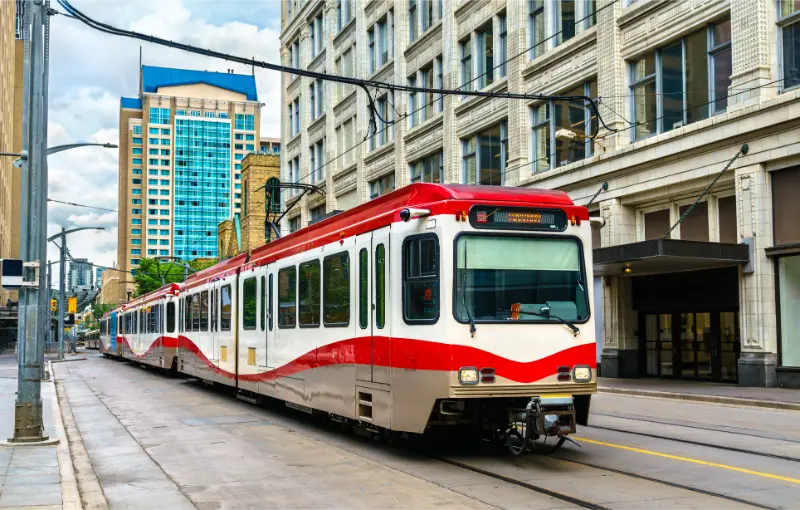
Before arrival, save an offline map, note the nearest transit stop to your hotel and check the last useful service for the evening. Do not assume mobile data will solve every navigation problem at the exact moment you need it. Our How to Get Around Canada explains the larger transport picture if this city is one stop in a longer trip.
What to book before you arrive
You do not need to pre-book every hour. Reserve only the experiences where capacity, timed entry or a specific view matters to you. That may include a major observation deck, popular museum, seasonal cruise, wildlife tour, garden, ferry, guided experience or special restaurant. Everything else should remain flexible enough to move with weather and energy.
A useful rule is to anchor one timed experience per half day at most. Two or three fixed bookings back-to-back create stress if the first one runs long or transit is delayed. Check official hours again shortly before visiting because seasonal schedules and special-event closures can change.
Day 1 – East Village, downtown and the Bow River
Morning
Begin in East Village around the Central Library and Studio Bell. The area gives you an immediate mix of modern architecture, music and the Bow River. Continue along the river pathway toward Prince’s Island Park or the downtown core rather than jumping in a car between short stops.
Afternoon
Choose the Calgary Tower if the weather is clear and you want a city-and-Rockies orientation. Otherwise, invest that time in Glenbow-related exhibitions or simply explore Stephen Avenue and nearby streets. Calgary’s downtown makes more sense once you connect it to the river rather than treating the office core as the destination.
Evening
Spend the evening in the Beltline or along 17th Avenue. This is where Calgary feels most like a city trip rather than a gateway. Keep the first evening local if you plan a long mountain day later in your wider Alberta itinerary.

Day 2 – Inglewood, zoo or science, and local Calgary
Morning
Start in Inglewood for heritage streets, independent shops and a slower morning. From there, choose either the Wilder Institute/Calgary Zoo or TELUS Spark depending on your interests. Both are substantial enough that trying to do them back-to-back can make the day feel like a checklist.
Afternoon
Use the afternoon for the RiverWalk, Fort Calgary/The Confluence area or more time in Inglewood. If you skipped Studio Bell on Day 1, it fits naturally here because the neighbourhoods are close together.
Evening
For dinner, return to Inglewood, the Beltline or another central district. If you are visiting during Stampede or a major event, book important meals and transport earlier than you would on an ordinary week.
Day 3 – Heritage Park or urban outdoors
Morning
Heritage Park Historical Village is the strongest half- to full-day choice if you enjoy living history, but check seasonal operations because the experience changes through the year. If it is not a good fit, use the morning for Nose Hill, Fish Creek or another outdoor area and keep the itinerary more contemporary.
Afternoon
In the afternoon, return to the centre for anything you missed or explore Kensington. A final coffee, river walk or brewery stop often gives a better sense of Calgary than adding another distant attraction.
Evening
Finish by preparing for what comes next. If Banff is your next stop, review shuttle or driving logistics before bed rather than losing mountain time the next morning. Calgary works especially well as a three-day city break when it is not treated only as an airport with a skyline.

Where to eat without wasting time
Calgary’s food identity goes far beyond steak. Use the Beltline, Inglewood and downtown for contemporary restaurants, add a brewery or casual lunch, and try Alberta beef if it genuinely interests you rather than feeling obliged. During Stampede, seasonal menus and crowds can change the usual rhythm.
The practical approach is to pin two or three promising places in each neighbourhood rather than one “must-eat” restaurant across town. Then choose based on where you actually are, current opening hours and how hungry you are. This produces a better trip and protects the itinerary from long waits or unexpected closures.
If it rains, snows or visibility is poor
Bad weather does not have to ruin a three-day city itinerary, but it should change the order. Move your biggest museum or indoor attraction into the worst forecast window, then preserve clear periods for viewpoints, waterfronts, parks and outdoor neighbourhoods. In winter, daylight and icy sidewalks can matter more than precipitation alone.
Do not chase a viewpoint in cloud simply because it appears on Day 1. Swap it with an indoor stop and return when the sky improves. A flexible sequence is one of the biggest advantages of staying three nights instead of attempting the city as a rushed day trip.
How much should you try to see?
A strong three-day trip usually includes two substantial experiences per day plus walking, meals and neighbourhood time. If your plan contains six ticketed attractions every day, it is probably too ambitious. Travel time, queues, security, coffee stops and simple fatigue are real parts of the schedule.
Use the first afternoon to calibrate your pace. If you move faster than expected, add a nearby optional stop. If you move more slowly, remove something rather than borrowing time from sleep and meals. The aim is to remember the city, not the checklist.
What I would not do on a first 3-day visit
I would not change hotels, rent a car only for the central city, build the trip around restaurants in opposite neighbourhoods or schedule a major day trip before you have seen the city itself. I would also avoid booking a late-night arrival followed by an ambitious 8 a.m. first morning. Canadian distances and weather are easier when you build in margin.
Another common mistake is using “free time” as permission to cross town for one social-media-famous spot. If a place does not fit naturally into the day’s geography, save it for another trip. Your time is part of the travel budget.
Best season for this itinerary
The route works year-round, but the balance changes. Warm months favour waterfronts, parks, markets and long evening walks. Shoulder seasons can mean lower demand and more changeable weather. Winter shifts more value toward museums, food and seasonal experiences, while snow or ice may slow walking.
For the wider seasonal decision, use Best Time to Visit Canada. Always check the current forecast and official attraction calendars shortly before travel rather than relying on historical averages alone.
If you have a fourth day
With a fourth day, use the dedicated day-trip options: Banff, Canmore, Kananaskis or Drumheller. Banff deserves the most planning because transport and seasonal access can shape the day; Drumheller is easier with a car and offers a completely different landscape.
For a longer list of realistic excursions, see Best Day Trips from Calgary. The key question is not “what is close on the map?” but “what can I experience well and still return without spending the whole day in transport?”
3 days in Calgary with kids
The general route can work for families, but reduce the number of formal attractions and protect time for parks, snacks and early evenings. Children often enjoy one memorable interactive stop more than a sequence of museums. For a family-specific plan, use Calgary with Kids.
Budget and money-saving strategy
The biggest short-trip expenses are usually accommodation, restaurants and paid attractions. You can control costs without weakening the experience by choosing a well-located hotel, using public transport, mixing free outdoor sights with one major paid attraction per day and keeping breakfast or lunch casual. Avoid paying for convenience twice—for example, an expensive outer hotel plus repeated taxi rides.
If you are comparing a longer Canada trip, our Canada Trip Cost & Budget Guide explains the wider cost structure. Prices change quickly, so verify current admission and transit fares rather than building the trip around old figures.
Useful internal guides for planning
Calgary Travel Guide · Best Day Trips from Calgary · Calgary with Kids · Best Time to Visit Canada · Calgary Airport YYC Guide
Official planning resource
Use Tourism Calgary to verify current events, attraction hours, seasonal closures and visitor information shortly before your trip. Official calendars are especially important around holidays, construction projects, festivals and winter operations.
Frequently asked questions
Are 3 days enough in Calgary?
Yes for a strong first visit. Three days lets you combine the major sights with neighbourhood time without needing to rush constantly. You will not see everything, but that is an advantage if it keeps the itinerary coherent.
Do I need a car?
Not for the core itinerary described here. A car becomes more useful for regional day trips or onward road travel. If you already have a rental car, check hotel parking costs and whether it is worth keeping it during the city portion.
Should I buy an attraction pass?
Only if the included attractions match your actual plan. Do the arithmetic with current prices and opening times. A pass is not a saving if it encourages you to visit places you would otherwise skip or makes you rush to “get your money’s worth.”
What if I only have 2 days?
Keep Days 1 and 2, then take the single Day 3 experience that matters most and substitute it for a lower-priority stop. Do not compress all three days into two; that usually creates more transport and less enjoyment.
What if I arrive late on the first day?
Treat the arrival evening as orientation: check in, eat near the hotel and take a short walk. Start the itinerary properly the next morning. A late flight plus a packed sightseeing schedule is one of the easiest ways to waste the first full day through fatigue.
Final advice
The best 3-day itinerary is not the one with the largest number of pins. It is the one where the sequence feels natural, the travel time is controlled and you still have energy to notice the city around you. Start with these three daily areas, confirm the handful of bookings that matter, then leave enough flexibility for weather and spontaneous discoveries.
Disclosure: some links in this article are affiliate links. If you make a booking through them, Dreaming of Canada may earn a commission at no extra cost to you.
Where to stay: compare areas in our Calgary neighbourhoods guide.