
Best Time to Visit Jasper: Weather, Trails, Wildlife and Winter is really a question about priorities. The best month for hiking is not automatically the best month for lower prices, wildlife, festivals or a quiet road trip. This guide separates those goals so you can choose a travel window that fits the experience you actually want.
For a first visit built around hiking, lakes and the Icefields Parkway, late June through September is usually the most practical period. July and August give the widest summer access, while September offers cooler weather and lighter crowds. Winter is excellent for snowshoeing, skiing and dark skies, but several roads and facilities are seasonal.
Best time to visit: quick answer
| Best overall for a first trip | June and September |
|---|---|
| Peak visitor period | July and August |
| Best for a winter trip | December to March |
| Best strategy | Choose the season first, then check the exact attractions, roads and tours that matter to you. |
What “best time” actually means here
There is no single perfect date. A useful answer has to balance weather, daylight, road access, attraction schedules, hotel demand and the specific landscapes you want to see. The mistake is to look only at average temperature. A warm month can still be the wrong choice if it creates heavy crowds, wildfire smoke, expensive accommodation or sold-out transport.
For a first visit, I usually value reliable access and enough daylight more than chasing the absolute warmest week. Repeat visitors can make a more specialised choice: deep winter, spring wildlife, fall colour or a shoulder-season food trip.
Spring: quieter, greener and less predictable
April and May are transition months. Valley trails can emerge while higher routes remain snowy, and wildlife activity can be rewarding. The main challenge is uncertainty: a famous summer road may not yet be open, and a lake that looks accessible on social media may still be surrounded by winter conditions.
Spring rewards flexible travellers. Build the itinerary around experiences that work in mixed weather, then treat perfect outdoor days as a bonus. If one road, trail or boat trip is essential, confirm its seasonal opening before you book non-refundable accommodation.
Summer: easiest access, highest demand
Summer offers the easiest version of Jasper for first-time visitors. Most classic day hikes, lakes and scenic drives are more accessible, and long daylight supports ambitious days. The Icefields Parkway can still be busy, and wildfire smoke is an occasional summer variable across western Canada, so build flexibility into photography-heavy plans.
The big advantage of summer is not simply warmer weather; it is operational reliability. More tours run, daylight is long and seasonal roads or facilities are more likely to be available. The cost is that you need earlier reservations and better crowd strategy. Early starts, midweek stays and two-night minimums can make a major difference.
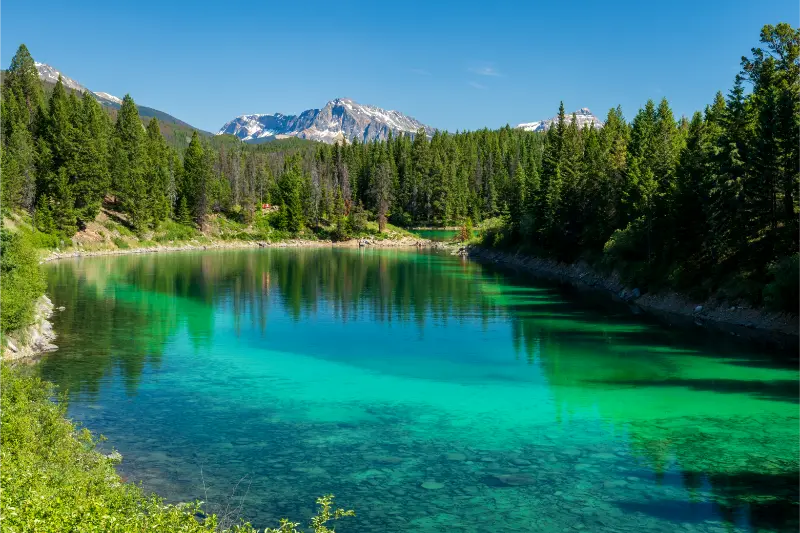
Fall: colour, cooler air and a slower pace
September brings cooler nights, changing foliage and generally fewer visitors. It is one of the best times for a road-trip feel without peak-summer pressure. October becomes more unpredictable, with snow possible and seasonal roads or campgrounds beginning to close.
Fall is often the most satisfying season for travellers who do not need beach heat. The main planning issue is that “fall” can mean very different things from early September to late October. Check daylight, ferry or tour frequency and seasonal closing dates rather than treating the whole season as one block.
Winter: a completely different trip
Jasper in winter is quieter and more spacious. Cross-country skiing, snowshoeing, stargazing and frozen landscapes become the focus. The trade-off is a smaller menu of roads and attractions, plus the need for winter driving experience on mountain highways.
Winter planning should be more conservative. Keep transfer days shorter, avoid tight same-day connections after long-haul flights and leave room to change plans when road or weather conditions deteriorate. If you are renting a car, verify the vehicle’s winter equipment and the legal requirements for every province on your route.
Month-by-month guide
- January: deep winter, dark skies and snow-focused activities.
- February: cold, snowy and excellent for a quiet Rockies trip.
- March: longer days and good late-winter recreation.
- April: transition season with mixed trail conditions.
- May: wildlife, quieter lodging and increasing road access.
- June: strong shoulder period as hiking options expand.
- July: peak access and long daylight.
- August: warmest period, strong hiking access and busy roads.
- September: cool mornings, fall colour and fewer visitors.
- October: shoulder season with increasing snow risk.
- November: quiet, wintry and limited for classic summer sights.
- December: established winter conditions and festive travel.
Best time for a first visit
For most first-time visitors, June and September is the strongest compromise. You usually get much of the destination’s seasonal access without the absolute peak pressure of July and August. This is especially useful when your trip combines several Canadian regions and you cannot optimise every stop independently.
If your itinerary has one non-negotiable experience, let that decide the dates. A ski trip, a whale-watching trip, fall foliage and high-alpine hiking all have different calendars. Build around the rarest experience first; city museums and restaurants are easier to fit around it.
Best time for lower crowds and better value
Shoulder season often gives the best balance, but “cheaper” is not guaranteed. Major festivals, conferences, cruise calls, fall-colour weekends and school holidays can create isolated spikes outside July and August. Compare several nearby dates instead of assuming a whole month has one price level.
Sunday-to-Thursday stays can be noticeably easier in popular leisure destinations. In cities, the pattern can reverse when business travel is strong. Always compare the total trip cost: a cheaper hotel is not a saving if seasonal transport forces you to rent a car or an attraction you care about is closed.
Best time for families
Families often gravitate to July and August because of school calendars, but that does not mean those months are automatically easiest. If you can travel in late June or early September, you may find shorter queues and less competition for family rooms. With younger children, moderate temperatures and shorter driving days often matter more than squeezing in every attraction.
Check operating calendars for kid-focused attractions before choosing a shoulder-season week. Some museums are year-round, while boat tours, chairlifts, beach facilities and seasonal parks may have reduced schedules outside the main summer period.
Best time for photography
Photographers should think in terms of light, atmosphere and access rather than only sunshine. Spring can bring blossoms and dramatic weather; summer gives long golden hours; fall adds colour; winter simplifies landscapes with snow and ice. The quietest dawn is often more valuable than the “perfect” month if you are photographing famous viewpoints.
Wildfire smoke, fog, low cloud and storms are part of Canadian travel. Do not build a photography trip around one irreplaceable sunset. Give important locations two chances when possible.
Weather and what to pack
Pack for the season you are actually choosing, not for an abstract idea of “Canada.” Layers are more useful than one bulky item, and footwear matters as much as a jacket. For shoulder seasons, carry a light waterproof shell, a warm mid-layer and shoes that can handle wet paths. In summer, add sun protection and insect repellent where appropriate. In winter, insulated footwear, gloves, a warm hat and an outer layer that blocks wind make a much bigger difference than fashionable city clothing.
Canadian weather changes quickly around coasts, mountains and large lakes. Check a local forecast shortly before each outdoor day rather than relying on a forecast saved a week earlier. In remote areas, download offline maps and carry more water and warm clothing than an urban walk would require.
Crowds, reservations and how early to book
For July and August, reserve high-priority accommodation and transport well ahead, particularly for weekends. Shoulder season usually gives more flexibility, but iconic places can still sell out. If your trip includes national parks, ferries, shuttle systems or limited-capacity tours, treat those as the first bookings rather than the last.
Jasper has more seasonal road restrictions than many first-time visitors expect. In 2026, Parks Canada lists specific opening windows for roads such as Miette Road and Toe of the Glacier Road, while Cavell Road remains closed until further notice. Always check the current road-status page rather than relying on an old itinerary.
A practical strategy if your dates are fixed
If you cannot choose the month, change the itinerary instead of fighting the season. In hot weather, shift outdoor sightseeing to morning and evening. In rain, prioritise museums, markets and scenic drives with flexible stops. In winter, shorten transfer days and build around reliable year-round attractions. In shoulder season, keep two versions of each day: one outdoor and one weather-proof.
This approach is more useful than chasing an average climate table because it works when the real trip does not match the statistical norm.
Common timing mistakes
- Assuming summer means no weather problems. Heat, smoke, thunderstorms, fog and heavy rain can still affect plans.
- Booking shoulder season without checking seasonal opening dates. A quieter destination can also mean fewer tours.
- Planning a wildlife trip around a guarantee. Seasons improve probability, not certainty.
- Ignoring daylight. Northern and winter itineraries can lose usable sightseeing hours quickly.
- Choosing the cheapest week before pricing transport. Reduced transit or ferry schedules can erase the hotel saving.
- Trying to see too much during peak season. Parking, queues and check-in times make rushed itineraries worse.
How many days should you allow?
The right season cannot rescue an itinerary that is too short. Give the destination enough nights that one poor-weather day does not ruin the trip. For a city, three or four nights usually creates breathing room. For a national park, island or road-trip region, five to seven nights can be much more realistic because driving and weather are part of the experience.
If you are connecting this destination with several other parts of Canada, read our Best Time to Visit Canada guide before fixing the route. Canada’s distances make it more efficient to travel regionally than to chase a perfect month in places thousands of kilometres apart.
Where to stay and when to book
Location matters more in peak season because traffic and parking can consume time. I prefer accommodation that keeps the first and last hour of the day simple. If you have not booked yet, compare accommodation in Jasper, Alberta on Booking.com. Compare cancellation terms carefully when travelling in a season with higher weather risk.

Useful planning resources
FAQ: best time to visit
What is the best month for a first trip?
There is no universal month, but June and September usually gives the strongest balance of access, weather and crowd levels for a first visit.
Is peak summer worth it?
Yes if you need the widest operating schedules, long daylight or school-holiday dates. Book earlier and structure days around early starts rather than expecting empty attractions.
Is shoulder season risky?
It is less predictable, but that is not the same as bad. The key is to verify the specific seasonal roads, tours and attractions you care about and to keep a weather-proof backup plan.
Can I visit in winter?
Yes, but winter should be planned as its own type of trip. Driving, clothing, daylight and attraction choice all change. A winter visit can be exceptional when you want snow, skiing, festivals or quieter city culture.
When should I book accommodation?
For July and August, book priority accommodation as early as practical, especially on weekends. Shoulder and winter dates usually offer more flexibility, except around festivals and holiday periods.
Final advice
The best time to visit is the period that gives you the experiences you care about with the fewest compromises. Start with one priority—hiking, wildlife, festivals, beaches, winter sports, food or lower crowds—then choose the month. After that, confirm current opening dates and transport. That order produces a much stronger Canada itinerary than choosing dates from temperature averages alone.
Disclosure: some links in this article may be affiliate links. If you make a booking through them, Dreaming of Canada may earn a commission at no extra cost to you.