
Jasper National Park is in a very different phase from the place many older guidebooks describe. The 2024 wildfire caused major damage to the town, campgrounds, trails and visitor infrastructure, and recovery remains visible. At the same time, 2026 is not a year when Jasper is simply “closed.” Parks Canada reports that virtually all trails have reopened, visitor services are operating and the park is welcoming travellers while reconstruction continues.
The key is to plan Jasper as it exists now. Some famous recommendations are unavailable, especially Maligne Canyon and Cavell Road, both of which remain closed for the 2026 season because of slope and infrastructure safety work. Build the trip around open areas, check the official What’s Open map and allow the park’s recovery story to be part of the experience.
Quick planning overview
| Ideal stay | 2–4 nights |
|---|---|
| 2026 status | Most of the park is open; targeted closures remain |
| Major 2026 closures | Maligne Canyon and Cavell Road |
| Reopened in 2026 | Valley of the Five Lakes and several wildfire-affected trails |
| Best approach | Check official conditions immediately before each day |
What is open in 2026?
Parks Canada states that virtually all Jasper trails have now reopened since the 2024 wildfire. Valley of the Five Lakes reopened with a realigned section, improved surfaces and new rest areas. Wabasso Lake, Curator Trail and Trail 9 also reopened after repair work. This gives visitors far more hiking choice than in the first post-fire seasons.
Recovery work continues in a smaller number of locations. Off-trail travel in fire-affected terrain is especially unwise because hazard trees, erosion, unstable slopes and damaged infrastructure can persist even when a nearby designated trail is open.
Maligne Canyon and Cavell Road closures
Maligne Canyon remains closed for the 2026 season. The issue is not simply damaged railings or a temporary construction project; wildfire removed vegetation on steep slopes, increasing debris-flow and landslide risks. Parks Canada needs extensive rehabilitation before the canyon can reopen safely.
Cavell Road also remains closed in 2026, which removes access to the Path of the Glacier and Cavell Meadows area. Do not drive toward the road expecting a partial opening based on pre-wildfire itineraries. Use the official map for alternatives and avoid creating a trip that depends on one closed icon.
Valley of the Five Lakes
Valley of the Five Lakes is once again one of the most practical hiking options near Jasper. The route is known for a sequence of differently coloured lakes and a moderate forest setting rather than a single dramatic summit. Its reopening in 2026 makes it especially useful for travellers who want a half-day hike without driving far from town.
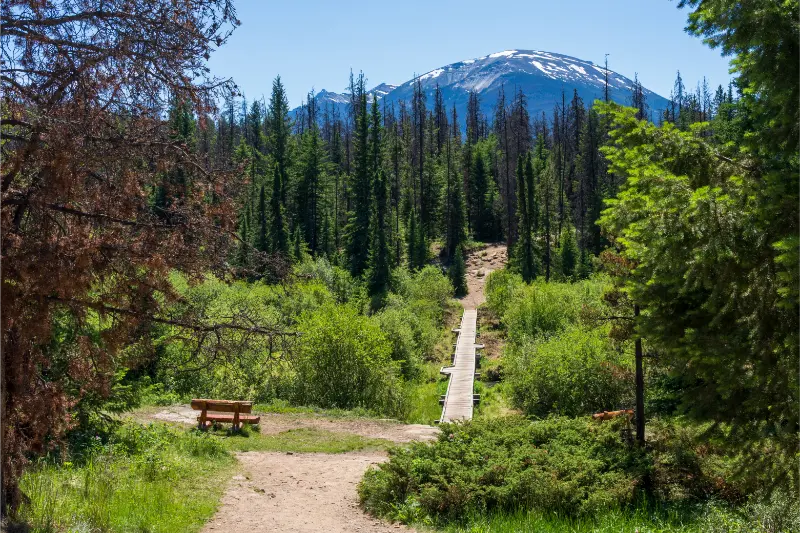
Even on a popular reopened trail, carry bear spray and stay on the designated route. Post-fire landscapes can change drainage and tree stability, and Parks Canada may issue temporary warnings after storms or wildlife activity.
Maligne Lake and the eastern side of the park
Maligne Lake remains a major destination, reached by a long mountain road southeast of Jasper. The drive deserves time for wildlife and viewpoints, but you should not confuse the lake with Maligne Canyon. The canyon closure does not mean the entire Maligne corridor is unavailable.
Cell coverage is unreliable outside the townsite. Download maps, check road and wildlife bulletins before departure and carry food, water and layers. If a parking area is full, do not improvise roadside parking where it is prohibited.
Camping in 2026
Parks Canada says 77 percent of Jasper’s pre-wildfire frontcountry campground inventory and 100 percent of backcountry inventory are available in 2026. Whistlers and Wapiti provide much of the main capacity, while Wabasso, Whirlpool Group Campground and part of Wapiti remain closed as reconstruction continues.
Camping demand is still high, and the reduced inventory means a campsite should be reserved before you commit to a fixed road-trip date. Do not assume overflow camping will solve a peak-weekend problem.
The town of Jasper
The townsite remains the practical centre for food, fuel and services, but reconstruction is part of daily life. Supporting open local businesses is one of the simplest ways visitors can contribute to recovery. Be patient with construction, changing traffic patterns and accommodation supply.
Jasper is also a good place to slow down after the Icefields Parkway. A free evening without a booked attraction creates useful margin after a long drive and gives you time to adjust the next day based on weather and open-trail information.
Driving and the Icefields Parkway
Most first-time visitors arrive from Banff and Lake Louise via Highway 93N. The Icefields Parkway is 232 kilometres long and should be treated as a sightseeing day. There is no cell coverage for long stretches, and winter services are extremely limited.
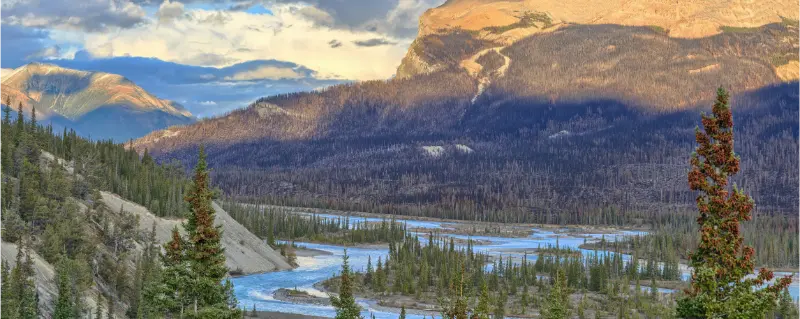
From November 1 to March 31, snow tires or chains are mandatory on the Icefields Parkway, or during any other period when the road is covered by snow or ice. Winter conditions can include avalanche-control closures, poor visibility and no fuel or food services along the route.
Wildlife and post-fire safety
Fire changes wildlife movement as well as vegetation. Give animals space, stay on designated trails and follow temporary restrictions. A blackened landscape is not an invitation to walk off-route for photographs; burned trees can fall without warning and stream crossings may behave differently after heavy rain.
Carry bear spray where recommended, know how to use it and never leave food unattended. Jasper remains wild country even close to roads and town.
How long to stay
Two nights is the minimum I would plan if Jasper is part of a Banff road trip. Three or four nights gives you enough flexibility for one significant hike, one lake or scenic-road day and weather changes. The park is too large to judge by the number of attractions you can tick off.
If you are concerned about recovery work, do not shorten the visit automatically. Instead, check the current open list and decide whether the available experiences match your interests. In 2026, there is still a substantial amount to see.
Practical packing notes
Pack for elevation rather than for the temperature shown in the nearest city. A waterproof shell, insulating layer, sun protection, refillable water bottle and sturdy footwear are useful through most of the mountain travel season. Keep one warm layer and basic rain protection in the day bag instead of leaving everything in the hotel.
On road-trip days, carry snacks, water, a portable battery and offline copies of reservations. Cell service can disappear between mountain communities, so a screenshot of the hotel address or shuttle confirmation is often more useful than assuming you can reload it later.
Wildlife and trail etiquette
Wildlife sightings should slow you down, not pull you closer. Stay inside the vehicle when appropriate, keep the road clear and follow minimum-distance guidance. Never feed animals or leave food unattended at a picnic table. Habituated wildlife can become a danger to people and may ultimately be destroyed.
On trails, stay on the established route even when a shortcut appears obvious. Alpine vegetation and badlands soils recover slowly, and informal paths create erosion. If a closure or wildlife restriction is posted, treat it as part of the trip rather than an obstacle to work around.
Travelling with children
Family road trips work best with fewer hotel changes and one main activity per half-day. A lake walk, picnic or visitor centre can be as memorable as a major hike, especially after a long transfer. Keep food, water, layers and a change of clothes accessible rather than buried under luggage.
Children also change how you should approach wildlife and viewpoints. Hold hands near drop-offs, keep everyone together on busy trails and choose turnaround times before anyone becomes exhausted. Mountain destinations are more enjoyable when the day ends with energy left.
Budget and booking strategy
The largest costs in the Rockies are usually accommodation, car rental and paid attractions rather than park entry. Book scarce accommodation and required shuttles first, then add flexible activities later. A cheaper hotel far from the places you want to visit can create fuel, parking and time costs that exceed the saving.
For meals, mix restaurants with supermarkets, bakeries and picnic lunches. This controls the budget and gives you more flexibility on hiking days. Keep in mind that food choices become limited on remote scenic roads, so buy supplies before leaving a major town.
Where to stay
Accommodation in Alberta and the Canadian Rockies can become expensive and limited during summer weekends, holidays and major events. I would compare location as carefully as room price, because saving a little on the nightly rate can be cancelled out by parking costs, long transfers or an early-morning drive to a trailhead. Check current accommodation options on Booking.com.
Useful official resources
Jasper park recovery · Jasper visitor planning · Jasper driving safety
Continue planning your Canada trip
Banff and Jasper road trip · Icefields Parkway guide · 10-day Alberta road trip · Canada national parks guide
Final thoughts
The Canadian Rockies are spectacular, but the best trips are not built by collecting as many viewpoints as possible. Leave time for weather, wildlife, traffic, changing trail conditions and places that deserve a slower afternoon. Check official conditions close to departure, use transit where it simplifies the day and treat every mountain drive as part of the experience rather than dead time between attractions.
Disclosure: some links in this article may be affiliate links. If you make a booking through them, Dreaming of Canada may earn a commission at no extra cost to you.
Arriving from Edmonton
See our Edmonton to Jasper: Car, Bus and Train Travel Guide for a practical comparison of transport options and route planning.
Arriving from Calgary
See our Calgary to Jasper: Banff Route, Icefields Parkway and Transport Guide for a practical comparison of transport options and route planning.
When should you go?
Choosing dates? Read our Best Time to Visit Jasper: Weather, Trails, Wildlife and Winter for month-by-month weather, crowds and seasonal access.
Travel by train
See our Jasper to Prince Rupert Train Guide: VIA Rail Through Northern British Columbia.
Planning a summer Jasper trip?
Read our Jasper in Summer: Trails, Wildlife, Recovery Updates and a 5-Day Itinerary.
Visiting in fall?
Read our seasonal guide: Jasper in Fall.
Where to stay
Where to Stay in Jasper: Downtown, Cabin Areas and National Park Bases
How many days do you need?
How Many Days in Jasper National Park in 2026? A Realistic First-Visit Plan