
Canada’s national parks are not one type of landscape. They include Rocky Mountain valleys, Atlantic cliffs, Pacific rainforest, prairie, boreal forest, tundra and places so remote that visiting them becomes an expedition. Parks Canada currently lists 37 national parks and 11 national park reserves, representing 31 of the country’s 39 terrestrial natural regions. For a first trip, the challenge is not finding a beautiful park—it is choosing one that fits your route, season, experience level and transport. This guide highlights 15 parks that show just how varied the system can be.
In this guide: 15 parks worth knowing, how park reservations work, camping, wildlife safety, route planning and how to choose a park for your first Canada nature trip.
| Parks Canada system | 37 national parks + 11 national park reserves |
|---|---|
| Seasonal reservations | Launch dates vary by destination |
| Regular fees | Check Parks Canada for current admission fees and offers |
| Best first mountain parks | Banff and Jasper |
| Best planning rule | Reserve popular camping and transport early |
How Canada’s national park system works
Parks Canada manages the federal national park system and provides official information for fees, reservations, closures, camping and safety. According to Parks Canada, the network protects roughly 343,377 square kilometres and includes parks and reserves in every province and territory.
A national park is not the same as a provincial park. Reservation systems, fees and rules differ, so always confirm which authority manages the place you intend to visit.
1. Banff National Park, Alberta
Banff is Canada’s most famous national park and the easiest Rockies choice for a first-time visitor. The town of Banff, Lake Louise, mountain lakes, gondolas and a wide range of hikes create an unusually accessible base. Our Lake Louise and Moraine Lake guide covers the busiest lake-access logistics.
Its popularity is also the challenge. Summer accommodation and campsites fill, traffic management is important, and iconic sites require advance planning.
2. Jasper National Park, Alberta
Jasper feels larger and less concentrated than Banff. Wildlife, dark skies, mountain lakes and access to the Icefields Parkway make it an essential partner park for a Rockies road trip.
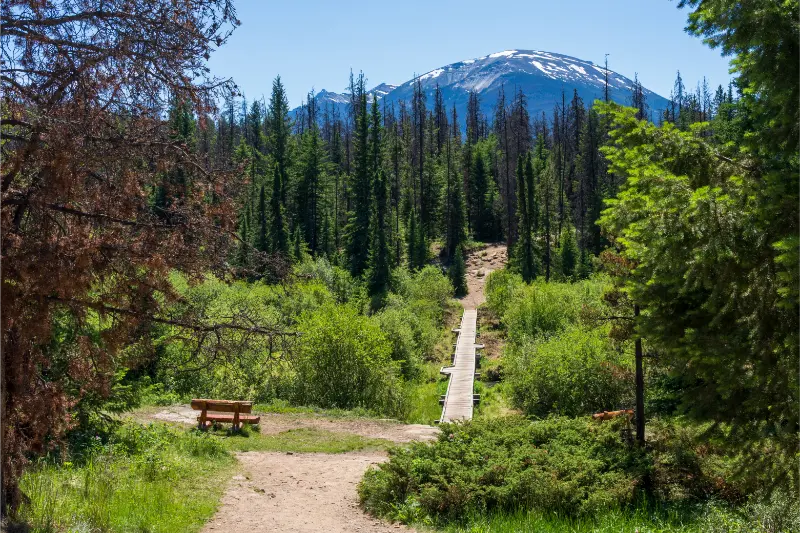
Combine the two using our Banff and Jasper road trip guide, but allow several days in each area rather than treating Jasper as a long day trip.
3. Yoho National Park, British Columbia
Yoho sits just west of the Continental Divide and is easy to overlook when travellers focus on Banff.
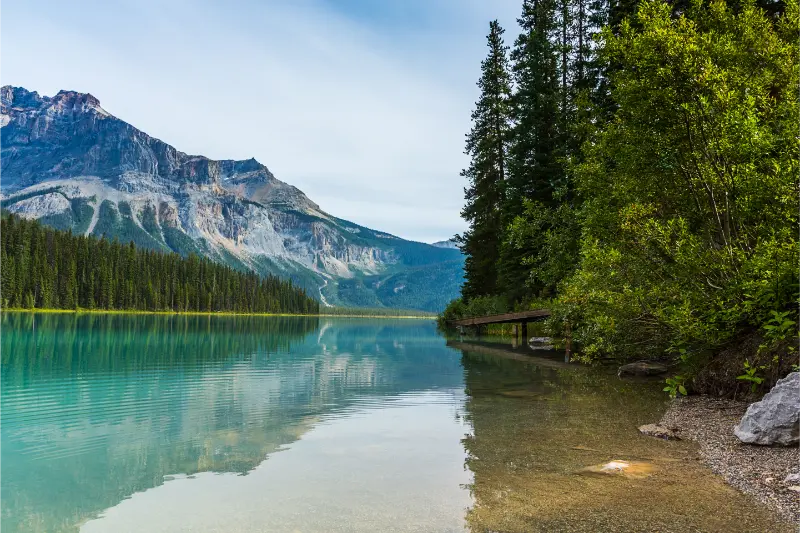
Emerald Lake, waterfalls and dramatic mountain terrain make it one of the most rewarding additions to a Lake Louise stay.
Because the park is smaller and close to Banff, it can fit into a Rockies itinerary without a major detour. Popular trail access and parking still require early starts and current-condition checks.
4. Kootenay National Park, British Columbia
Kootenay connects the Rockies with the Columbia Valley and offers hot springs, canyons, forest and mountain scenery. It is a useful alternative route between Banff and British Columbia.
Fire history is visible in parts of the landscape, and trail conditions can change. Check Parks Canada before hiking rather than relying on an old itinerary.
5. Waterton Lakes National Park, Alberta
Waterton sits where prairie meets mountains near the U.S. border. The setting around Waterton Lakes is striking, and the park is smaller and less internationally famous than Banff.
It pairs well with southern Alberta road trips and is part of the Waterton-Glacier International Peace Park with neighbouring Glacier National Park in the United States.
6. Pacific Rim National Park Reserve, British Columbia
On Vancouver Island’s west coast, Pacific Rim combines rainforest, beaches and a very different Pacific atmosphere. The Long Beach area between Tofino and Ucluelet is the most accessible introduction.
Weather is part of the experience. Even summer can be cool or misty, and winter storm-watching attracts a different kind of visitor. Respect ocean warnings and never underestimate cold water and surf.
7. Gros Morne National Park, Newfoundland and Labrador
Gros Morne is one of Canada’s great landscape parks, with fjords, mountains, coastal communities and geology that looks unlike the classic Rockies. It deserves several days because distances and weather make rushing counterproductive.
This is a strong destination for hikers and road trippers who want Atlantic Canada to feel genuinely different from a city-based holiday.
8. Cape Breton Highlands National Park, Nova Scotia
The Cabot Trail runs through Cape Breton Highlands and gives drivers access to coastal viewpoints and hiking. Autumn is famous for colour, but summer offers long days and a broader range of seasonal services.
Traffic and accommodation can become busy during peak fall foliage, so book ahead if the colours are the main reason for the journey.
9. Fundy National Park, New Brunswick
Fundy National Park combines forest, coastline and access to the Bay of Fundy region, known for extreme tidal variation. It fits naturally into a New Brunswick or broader Atlantic Canada road trip.
Do not assume tidal conditions are the same all day. If a specific coastal experience depends on tide, check official local schedules for the correct date and location.
10. Prince Edward Island National Park
This park protects beaches, dunes, wetlands and coastal landscapes along PEI’s north shore. It is easy to combine with the island’s villages and food-focused road trips.
Summer is the obvious high season, and fragile dune environments require visitors to stay on designated paths and boardwalks.
11. Bruce Peninsula National Park, Ontario
Bruce Peninsula is known for clear Georgian Bay water, cliffs and the Grotto. Its proximity to southern Ontario makes it popular, and key parking or access can require reservations.
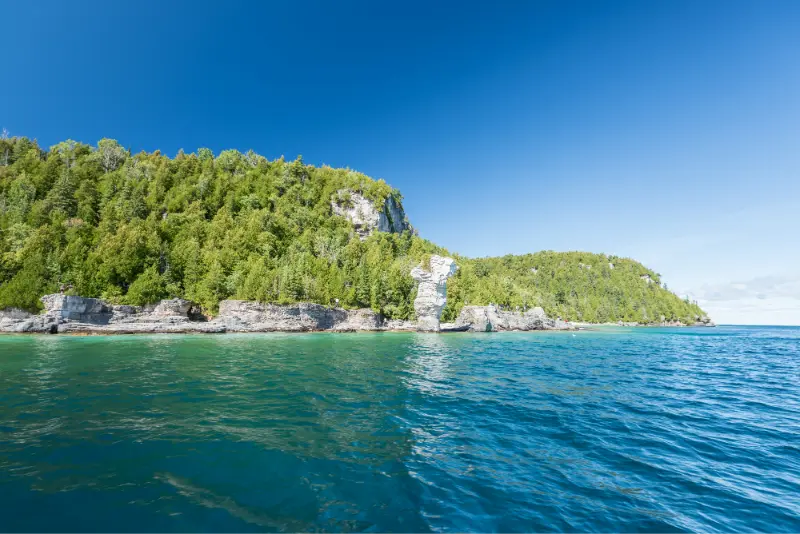
Parks Canada reservation rules may include reservable parking for the Grotto and Halfway Log Dump. Use the official reservation service for current availability.
12. Thousand Islands National Park, Ontario
This park is spread across islands and mainland access points along the St. Lawrence. Boating, paddling and camping shape the experience more than a single dramatic viewpoint.
It works well between Toronto, Ottawa and Montréal for travellers who want nature without travelling to the far north or west.
13. La Mauricie National Park, Québec
Between Montréal and Québec City, La Mauricie offers lakes, forest, paddling, hiking and camping. It can transform an urban Québec itinerary into a more complete city-and-nature trip.
A car is useful for accessing the park. In autumn, colour makes the region especially attractive, but popular weekends can be busy.
14. Riding Mountain National Park, Manitoba
Riding Mountain rises from the surrounding prairie and protects forest, lakes and wildlife habitat. It is an accessible nature destination from southern Manitoba and offers camping and recreational activities.
As in other wildlife areas, secure food and scented items and follow official guidance. Never treat wildlife encounters as photo opportunities that justify approaching animals.
15. Kluane National Park and Reserve, Yukon
Kluane represents a very different level of wilderness. Vast icefields, high mountains and remote terrain make it a dream destination for experienced outdoor travellers and scenic-flight visitors.
This is not a park to add casually to a standard first-time itinerary. Distances, weather, communications and activity requirements deserve dedicated research.
Reservations and camping
Parks Canada releases campsite reservations on dates that vary by park and year, often several months before busy travel periods. Popular campgrounds and special access can fill quickly. The official Parks Canada reservations page is the only source I would use for final availability.
Fees, discounts and booking release dates can change: check the current Parks Canada calendar for your travel year.
Wildlife safety is part of the trip
Parks Canada advises visitors never to feed wildlife, to store food and scented items securely and to learn species-specific distance rules. In mountain parks, the guidance commonly used for bears is at least 100 metres. Review the official wildlife safety guidance before hiking or camping.
Safety is not only about bears. Elk, moose, bison, cougars, wolves and marine wildlife all require space. If an animal changes its behaviour because of you, you are too close.
How to choose your first national park
If you want maximum accessibility and famous scenery, start with Banff. If you are already visiting Vancouver, consider Pacific Rim. For an Atlantic road trip, Cape Breton Highlands, Fundy or Gros Morne may fit better. For a central Canada route, Bruce Peninsula or La Mauricie can add nature without a flight across the country.
Use our best places to visit in Canada article to match the park with a realistic regional itinerary.
Frequently asked questions
How many national parks are there in Canada?
Parks Canada currently lists 37 national parks and 11 national park reserves.
Do you have to pay to enter Canadian national parks?
Generally yes, although temporary programs can alter fees. Temporary free-admission periods and other discounts have different validity dates. Check current official fees for your travel year.
Do I need reservations for national parks?
Not simply to exist in every park, but many campgrounds, shuttles, parking areas and special activities require or strongly benefit from reservations. High-demand sites can sell out.
Which national park is best for a first trip to Canada?
Banff is the most straightforward first choice for iconic mountain scenery and tourism infrastructure. The best park still depends on your route; flying across Canada only to add one park rarely makes sense.
Can I see wildlife safely in Canadian parks?
Yes, but keep distance, stay in your vehicle at roadside sightings when advised, never feed animals and follow park-specific rules. Wildlife viewing should never interfere with an animal’s natural behaviour.
Final thoughts
Canada’s national parks are best experienced as part of a regional journey rather than as isolated trophies on a checklist. A park should shape the route, not simply fill a spare afternoon.
For your first nature-focused trip, combine this guide with our driving in Canada guide and build generous time for weather, wildlife, viewpoints and unplanned stops.
Disclosure: some links in this article may be affiliate links. If you make a booking through them, Dreaming of Canada may earn a commission at no extra cost to you.
More Canadian national parks
Jasper National Park · Waterton Lakes National Park
A major national park in Newfoundland
Gros Morne National Park guide
A Saskatchewan national park
Prince Albert National Park guide
Northern national parks
Nahanni · Auyuittuq
Beyond national parks: provincial parks and protected areas
Killarney Provincial Park · Rondeau Provincial Park
Québec parks beyond the Parks Canada system
Parc national de Frontenac · Parc national de la Yamaska