
Canada is not a destination you can realistically “see” in one holiday. The country stretches across six time zones, and the places travellers dream about are often separated by hours of flying or several days of driving. That is why choosing where to go matters more here than trying to collect as many stops as possible. For a first trip, I prefer to think in regions: combine a few places that naturally fit together, then leave the rest for another journey. The reward is a trip that feels spacious rather than rushed, with time for city neighbourhoods, lakes, mountains, coastlines and the long scenic drives that make Canada memorable.
In this guide: 25 destinations worth considering, how to group them into realistic routes, when each region works best, and which places suit cities, nature, families, road trips and first-time visitors.
| Best for a first city trip | Toronto, Montréal, Québec City or Vancouver |
|---|---|
| Best for mountain scenery | Banff, Lake Louise and Jasper |
| Best for Atlantic Canada | Halifax, Cape Breton, Prince Edward Island and Newfoundland |
| Best for a road trip | Canadian Rockies, Vancouver Island, Québec or the Cabot Trail |
| Best approach | Choose one region and travel slowly |
1. Toronto: Canada’s big-city gateway
Toronto is often the easiest starting point for an international trip because it combines a major airport with a huge choice of neighbourhoods, food, museums and day trips.
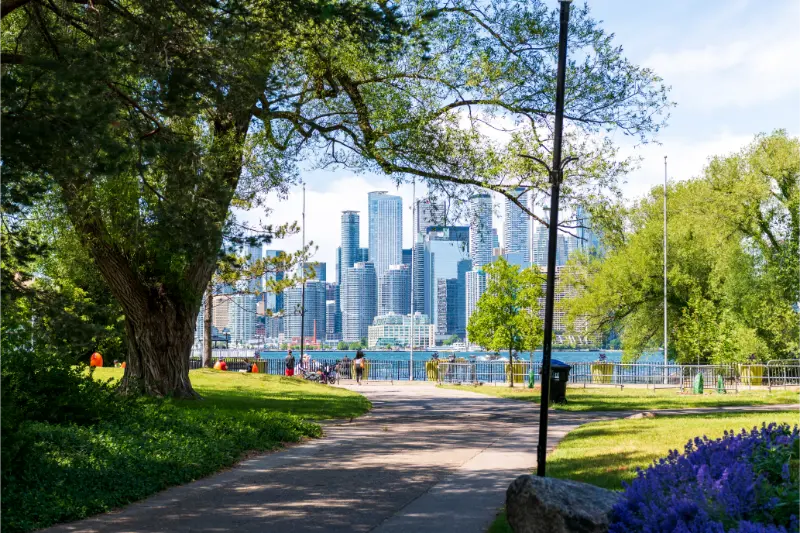
The skyline and CN Tower get the attention, but the city becomes more interesting when you spend time around Kensington Market, Queen West, the waterfront, the islands and culturally diverse areas outside the financial core. Read the full Toronto travel guide before deciding where to stay.
Toronto also works extremely well as part of an Eastern Canada itinerary. Niagara Falls is close enough for a day trip or overnight stay, while Ottawa, Montréal and Québec City can be linked by train, car or short flight. For first-time visitors who want an easy balance of urban experiences and iconic sights, it is one of the safest choices.
2. Niagara Falls: dramatic, easy and very popular
Niagara Falls is touristy, but the Horseshoe Falls are genuinely impressive and deserve more than a quick photo stop. The Canadian side gives you broad views, riverside walks and several ways to experience the power of the water. If your schedule allows, stay until evening and combine the falls with Niagara-on-the-Lake or the surrounding wine country. Our Niagara Falls Canada guide explains how to plan the visit from Toronto.
One night is usually enough for a first visit. The biggest mistake is overloading the day with too many ticketed attractions; leave time simply to walk the promenade and see the falls from different angles.
3. Montréal: food, neighbourhoods and European atmosphere
Montréal feels different from Toronto almost immediately. French is central to daily life, the food scene is outstanding, and neighbourhoods such as Old Montréal, Plateau Mont-Royal and Mile End each offer a distinct personality. The city is especially enjoyable on foot when the weather is comfortable. Start with the Montréal travel guide for neighbourhood and transport advice.
For many travellers, Montréal is the city they remember for small moments rather than one landmark: a bakery in the morning, a terrace in the afternoon, a market visit, a walk up Mount Royal and an evening in a lively residential area. Three nights gives you a much better feel than a rushed stop.
4. Québec City: history and atmosphere
Québec City is one of the most visually distinctive cities in North America. Old Québec, the fortifications, stone streets and views over the St.

Lawrence create a compact centre that is easy to explore on foot. It also pairs naturally with Montréal. See our Québec City travel guide for a three-day plan.
The city is attractive in every season, but the experience changes dramatically between warm summer evenings, colourful autumn days and snowy winter streets. If you enjoy architecture, food and a slower pace, it is an excellent choice.
5. Ottawa: museums, national landmarks and the Rideau Canal
Canada’s capital is sometimes skipped between Toronto and Montréal, but it is a very practical two- or three-night stop. Parliament Hill, major national museums, ByWard Market, the Ottawa River and the Rideau Canal give the city more variety than many first-time visitors expect.
Ottawa is particularly good for families and travellers interested in Canadian history and institutions. It is compact enough that you can see a lot without a car, while nearby Gatineau adds parks and museums across the river in Québec.
6. Vancouver: ocean, mountains and city life
Vancouver is the best first choice if you want a city trip that constantly touches nature. Stanley Park, the seawall, beaches, mountain views, Granville Island and easy day trips make it possible to change atmosphere several times in one day. Use our Vancouver travel guide to choose a neighbourhood and build your first itinerary.
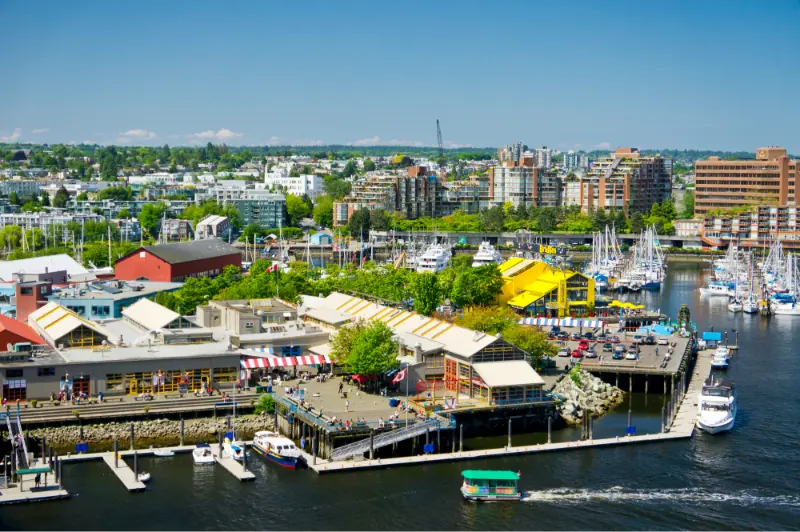
The city also makes an excellent gateway to Whistler, Vancouver Island and the wider coast of British Columbia. Summer is the obvious peak season, but spring and early autumn can be excellent if you prefer fewer crowds.
7. Victoria and Vancouver Island: a slower Pacific rhythm
Victoria brings a completely different pace to the west coast. The Inner Harbour is walkable, gardens and heritage architecture give the city a polished feel, and the island rewards anyone who can add several extra days for beaches, forests and smaller communities.
A common mistake is treating Victoria as a rushed day trip from Vancouver. It is possible, but the ferry journey and transfers consume time. Staying at least two nights makes the trip feel far more relaxed, and a longer Vancouver Island road trip opens the door to places such as Tofino, Ucluelet and the Cowichan Valley.
8. Whistler: mountain resort beyond ski season
Whistler is famous for winter sports, but it is equally useful in summer for hiking, biking, lakes and mountain scenery. The Sea-to-Sky Highway from Vancouver is part of the experience, with viewpoints and potential stops along the way.
You do not need to be an expert skier or mountain biker to enjoy Whistler. The pedestrian village, gondolas and easy-access viewpoints make it approachable for couples and families, while serious outdoor travellers can build much more active itineraries.
9. Banff, Lake Louise and Jasper: the classic Rockies
For mountain scenery, the Canadian Rockies remain the country’s headline trip. Banff is the most convenient base, Lake Louise and Moraine Lake deliver famous turquoise-water views, and Jasper feels more spread out and wild. The Icefields Parkway connecting the regions is one of Canada’s great drives. Start with our Banff and Jasper road trip guide.

Demand is intense in summer, so accommodation, shuttles and popular campgrounds require planning. Parks Canada currently requires visitors to use shuttle, transit or licensed operators for Moraine Lake because personal vehicles are not permitted on Moraine Lake Road.
10. Calgary: city stop and Rockies gateway
Calgary deserves at least a day or two rather than being used only as an airport. The Bow River pathways, East Village, food scene, museums and western culture make it a comfortable start or finish to an Alberta itinerary. In July, the Calgary Stampede transforms the atmosphere of the entire city.
The practical advantage is location: Banff is roughly a 90-minute drive in normal conditions, so Calgary is the most common gateway for a Rockies road trip.
11. Halifax and the Nova Scotia coast
Halifax is one of the easiest introductions to Atlantic Canada. The waterfront, maritime history, seafood and day trips to fishing communities create a trip that feels very different from central or western Canada.
If you have a week or more, combine Halifax with the South Shore, Annapolis Valley or Cape Breton. Driving is the most flexible way to reach small coastal communities, and the journey itself becomes part of the experience.
12. Cape Breton Island and the Cabot Trail
Cape Breton’s Cabot Trail is one of Canada’s best-known scenic drives, especially during autumn colour. The route mixes coastal cliffs, forest, small communities and access to Cape Breton Highlands National Park.
Allow more time than the map suggests. The point is not to complete the loop quickly but to stop at viewpoints, short walks and villages. Two or three nights around the island gives you much more flexibility with weather.
13. Prince Edward Island
Prince Edward Island is compact, gentle and especially appealing in summer. Red-sand cliffs, beaches, farmland, seafood and Anne of Green Gables associations shape the classic image, but the real pleasure is driving slowly between small communities.
It is a strong family destination and easy to combine with New Brunswick or Nova Scotia. Accommodation near popular coastal areas should be booked ahead in July and August.
14. Newfoundland: St. John’s and dramatic coastlines
Newfoundland feels remote even by Canadian standards, and that is part of its appeal. Colourful St. John’s, rugged headlands, fishing communities and long drives create a trip with a strong sense of place.
Distances are substantial and the weather can change quickly, so this is a destination where a slower itinerary pays off. Gros Morne National Park is a major highlight for hikers and landscape lovers.
15. Yukon and the northern territories
The North is not the easiest first trip to Canada, but it belongs on a long-term wish list. Whitehorse and the Yukon offer road-trip possibilities, hiking, enormous landscapes and strong northern light potential outside the bright summer months.
The Northwest Territories and Nunavut require even more planning, higher budgets and respect for remote conditions. These are destinations to research specifically rather than simply adding to a standard city itinerary.
How to choose the right region for your first Canada trip
If you have seven to ten days, stay regional. Toronto plus Niagara and perhaps Ottawa is enough. Montréal and Québec City work beautifully together. Vancouver plus Victoria or Whistler is another coherent route. For the Rockies, focus on Calgary, Banff, Lake Louise and Jasper rather than trying to add eastern cities. If you have two weeks, compare the realistic route ideas in our two weeks in Canada itinerary.
The most satisfying Canadian trips usually contain fewer hotel changes than people initially plan. Long distances, weather, ferries and mountain roads can slow travel. Give yourself room for an unplanned viewpoint, a neighbourhood meal or a second night in a place you unexpectedly love.
Frequently asked questions
What is the number one place to visit in Canada?
There is no single best destination for every traveller. Banff and the Rockies are the classic choice for mountain scenery; Toronto and Montréal suit city breaks; Vancouver combines city and nature; Québec City is ideal for history and atmosphere. Choose according to the kind of trip you actually enjoy.
How many days do I need for Canada?
A week is enough for one compact region, ten to fourteen days works well for a first multi-stop itinerary, and three weeks gives much more freedom. Crossing the whole country in one short trip usually means spending too much time in airports or cars.
Is eastern or western Canada better for a first visit?
Eastern Canada gives you several major cities relatively close together, while western Canada is stronger for dramatic mountain and Pacific scenery. Both work well for a first trip; the better choice depends on your priorities.
Do I need a car to visit the best places in Canada?
Not always. Toronto, Montréal, Québec City, Ottawa and Vancouver work without a car, and intercity trains connect part of the eastern corridor. A car becomes much more useful for national parks, coastal drives, small towns and flexible road trips.
When should I book a Canada trip?
For summer in the Rockies, Atlantic resorts and popular national parks, booking several months ahead gives you a better choice. City trips outside major events can be more flexible. Always reserve high-demand shuttles, ferries and campgrounds as soon as your itinerary is firm.
Final thoughts
The best way to start dreaming about Canada is to choose one region rather than one enormous checklist. Use the Canada travel guide for first-time visitors to understand the practical basics, then build around two or three destinations that naturally connect.
Canada rewards repeat visits. A first journey might be Toronto, Montréal and Québec City; the next could be Vancouver Island; another might be entirely devoted to the Rockies. Leaving something for later is not a failure here—it is the smartest way to experience a country this large.
Disclosure: some links in this article may be affiliate links. If you make a booking through them, Dreaming of Canada may earn a commission at no extra cost to you.
More Ontario travel ideas
Ontario travel guide · Algonquin Provincial Park guide
More places in Québec
Québec travel guide · Tadoussac whale watching
Hidden gems in Canadian cities
Toronto · Vancouver · Montréal · Québec City · Ottawa · Calgary · Victoria BC · Halifax · Winnipeg · Edmonton