
Toronto is an easy city to underestimate. Visitors often arrive with a short list—CN Tower, waterfront, maybe Niagara Falls—and then discover that the real pleasure is in the contrast between neighbourhoods. Glass towers and major sports venues sit close to markets, Victorian brick streets, beaches, immigrant food districts, islands and some of Canada’s most important museums.
For a first visit I would plan three nights as a minimum, and four if Toronto is your international arrival point or you want a day trip. The city is large, but the areas most travellers use are well connected by public transport. You do not need a rental car for a normal downtown stay.
Toronto at a glance
- Best for: food, neighbourhoods, museums, sports, families, first-time Canada trips.
- Ideal stay: 3–4 nights, plus Niagara if desired.
- Car needed? No for central Toronto.
- Best area for first visit: Downtown/Entertainment District or another neighbourhood with strong subway access.
- Major airport: Toronto Pearson International Airport (YYZ).
1. See the skyline from the CN Tower area
The CN Tower remains Toronto’s visual symbol, but the surrounding area is also useful for orienting yourself. You are near the waterfront, Union Station, Rogers Centre and Ripley’s Aquarium. Even if you do not go up the tower, walking this district helps explain the geography of downtown.
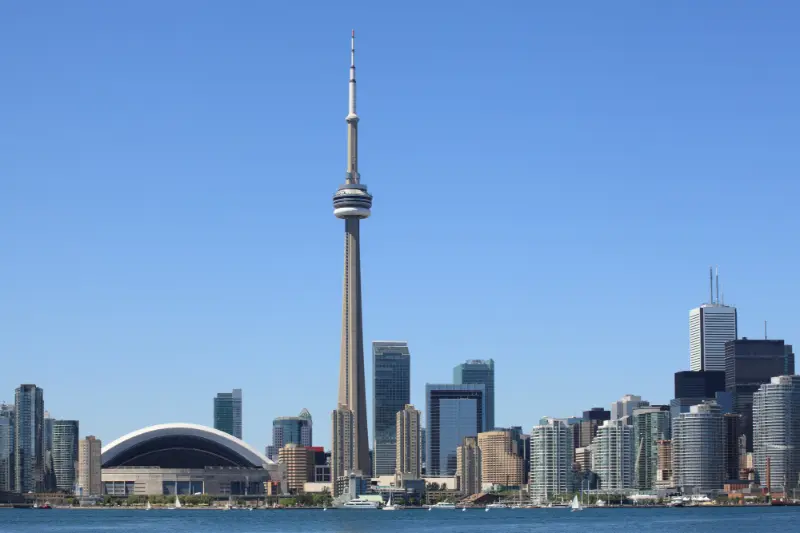
If you want the observation experience, book a time that works with your itinerary rather than making your whole day revolve around sunset. Weather can affect visibility, so keep some flexibility if the skyline view is important.
2. Walk the waterfront and consider the Toronto Islands
The waterfront gives you a calmer side of the city. In good weather, continue by ferry to the Toronto Islands for skyline views, paths and beaches. The islands can easily consume half a day, which is why I would not squeeze them into a one-day Toronto visit.
3. Eat your way through St. Lawrence Market
St. Lawrence Market is one of the best places to combine sightseeing with lunch. Go earlier rather than arriving only for a late meal. The surrounding Old Town also rewards walking, and the Distillery District is close enough to pair with the market in one day.
4. Explore the Distillery District
Historic industrial architecture, pedestrian lanes, shops, galleries and restaurants make the Distillery District an easy stop for first-time visitors. It can feel touristy at peak times, but it is visually distinctive and especially atmospheric during seasonal events.
5. Choose neighbourhoods, not just attractions
Destination Toronto describes more than 140 neighbourhoods across the city. You do not need to see dozens. Choose two or three that fit your interests:
- Kensington Market: eclectic shops, food and street life.
- Queen West: shopping, dining, nightlife and design.
- Yorkville: polished shopping, galleries and upscale hotels.
- Chinatown: food and easy access from central neighbourhoods.
- The Beaches: a different, more residential waterfront feel.
- Westside neighbourhoods: useful if you want bars, restaurants and a less corporate atmosphere.
6. Visit a museum that matches your interests
The Royal Ontario Museum is a strong first choice for art, culture and natural history. The Art Gallery of Ontario works well for art-focused travellers. Families may prioritize the aquarium or Ontario Science Centre alternatives/temporary programming depending on current operations. Always check official opening information before building a day around one venue.
7. Experience Toronto through food
Toronto’s diversity is most obvious at the table. Rather than searching only for a generic “Canadian restaurant,” try neighbourhood-specific food. You can move from dim sum to Caribbean cooking, Middle Eastern bakeries, Italian cafés, Indian food and modern Canadian tasting menus in one city.
Plan at least one meal spontaneously. Some of the best travel moments happen because a queue, smell or busy local dining room changes your plan.
Where to stay in Toronto
Downtown / Entertainment District
Best for first-time visitors who want to walk to major sights and have simple transport from Union Station. It is convenient rather than intimate.
Yorkville
Good for upscale hotels, shopping and easy museum access. It feels more polished and residential than the busiest entertainment blocks.
Queen West / Westside
Better for restaurants, nightlife, creative energy and visitors who care more about neighbourhood atmosphere than being beside the CN Tower.
Old Town / St. Lawrence
A good compromise for markets, historic streets and walking access to downtown.
Compare current options on Booking.com Toronto. I would choose location first, then filter by price and rating.
How to get from Toronto Pearson Airport to downtown
The UP Express rail link connects Pearson Airport with Union Station in central Toronto and is often the simplest choice for travellers staying downtown. Taxis and ride-hailing are useful when you have heavy luggage, children or a hotel far from Union.
If you land late after a long-haul flight, do not plan an ambitious first evening. Toronto is much more enjoyable after sleep.
Getting around Toronto
The TTC operates subway, streetcar and bus services. Regional GO Transit is useful for some trips beyond the central city. Walking is practical within individual neighbourhoods, but Toronto is too large to treat as one compact historic centre.
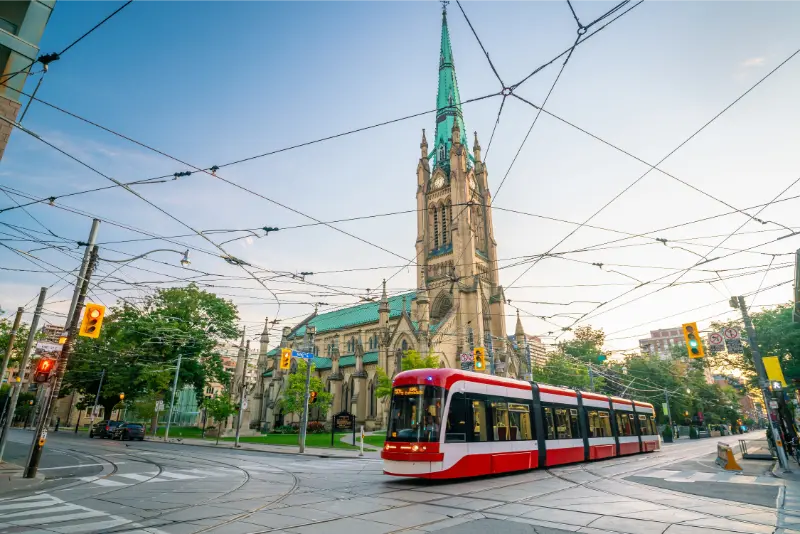
A common mistake is to rent a car at the airport for an entire city stay. Downtown parking can be expensive, and the car may spend several days unused. If you need a vehicle for a later road trip, pick it up when you leave.
How many days in Toronto?
Two days: possible for the highlights but rushed. Three days: a strong first visit. Four days: allows neighbourhoods, museums and a slower pace. Five days: makes sense if Toronto is a base for Niagara or other regional trips.
A simple 3-day Toronto itinerary
Day 1: downtown and waterfront
CN Tower area, waterfront, Union Station area, evening in Entertainment District or King West.
Day 2: market, Old Town and neighbourhoods
St. Lawrence Market, Distillery District, then Kensington Market/Chinatown or Queen West.
Day 3: museum and islands or another neighbourhood
Choose ROM/AGO in the morning, then Toronto Islands in good weather or a deeper neighbourhood day.
Niagara Falls from Toronto
Niagara Falls is the most obvious side trip. You can visit independently, drive, use regional transport or book an organized tour. The best choice depends on whether you want only the falls or also Niagara-on-the-Lake, wineries and a relaxed evening.
My preference is an overnight when possible because it gives you time to see the falls after dark and avoids making the day feel like a long transfer. Our Niagara Falls Canada guide covers the options.
Toronto with kids
Toronto works well for families because you can alternate classic sightseeing with parks and interactive attractions. The aquarium, islands, waterfront, zoo and seasonal events provide options, while food courts and casual dining make meal logistics easy. The key is to reduce cross-city zigzagging: group sights by area.
Toronto for couples
Build the trip around neighbourhood evenings rather than only observation decks. A market lunch, ferry ride, waterfront sunset, restaurant in Queen West or Yorkville and a show can feel more personal than a checklist of attractions.
Best time to visit Toronto
Late spring through early autumn is easiest for walking, waterfront time and outdoor events. Summer is lively but busy. September can be excellent, especially if your dates overlap with major cultural events. Autumn brings cooler weather and colour in surrounding areas. Winter works for museums, food, sports and seasonal atmosphere, but pack properly.
See our broader best time to visit Canada guide before choosing dates for a multi-region trip.
Where Toronto fits into a Canada itinerary
Toronto works naturally with Niagara Falls, Ottawa, Montréal and Québec City. You can do much of that route by train rather than car. If you are continuing to Vancouver or the Rockies, fly west rather than treating the distance as an ordinary road transfer.
Our two-week Canada itinerary ideas show both approaches.
Practical tips I would remember
- Do not spend the whole trip in the financial core; explore neighbourhoods.
- Stay close to useful transit if you are not downtown.
- Check event calendars because hotel prices can change sharply.
- Build one weather-flexible indoor option into every day.
- For Niagara, decide in advance whether you want a day trip or overnight.
Is Toronto worth visiting?
Yes—especially if you approach it as a city of neighbourhoods rather than only a collection of famous landmarks. It is an excellent first landing point in Canada, easy to combine with Niagara and Québec, and diverse enough that food, museums, sports, family attractions and nightlife can all fit into the same trip without feeling forced.
What does a Toronto trip cost?
Toronto is not a low-cost city in peak periods, but you can control the budget by choosing the right neighbourhood and mixing paid attractions with free experiences. Waterfront walks, markets, parks and neighbourhood exploration cost little, while observation decks, museums, sports and shows can add up quickly. Hotel rates change significantly around major events, so compare your dates before committing to flights.
Food budgets are flexible. A casual lunch from a market or neighbourhood counter can be much cheaper than a sit-down restaurant in the core. I would rather spend on one memorable dinner and keep other meals simple than book an expensive restaurant every night.
Disclosure: some links in this article may be affiliate links. If you make a booking through them, Dreaming of Canada may earn a commission at no extra cost to you.
More Ontario travel ideas
Niagara-on-the-Lake guide · Ontario road trip
Visiting with children
Toronto with Kids: Best Family Attractions, Neighbourhoods and a 4-Day Itinerary
Best day trips from Toronto
Best Day Trips from Toronto: Niagara, Small Towns, Wine Country and Nature
Airport arrival guide
Flying into Toronto? Read our Toronto Pearson Airport Guide: Downtown Transport, Terminals and Arrival Tips for public transport, taxis, car rental and first-night planning.
Getting to Montréal
Continuing from Toronto? Read our Toronto to Montréal: Train, Car, Flight and Bus Guide for train, road, coach and seasonal transport options.
Getting to Ottawa
Continuing from Toronto? Read our Toronto to Ottawa: Train, Car, Flight and Bus Guide for train, road, coach and seasonal transport options.
When should you go?
Choosing dates? Read our Best Time to Visit Toronto: Weather, Events, Crowds and Prices for month-by-month weather, crowds and seasonal access.
3-day itinerary
If you want a day-by-day plan, read our 3 Days in Toronto: The Perfect First-Time Itinerary.
Getting around Toronto
For public transport, walking, fare payment and car-rental strategy, read our How to Get Around Toronto: TTC, Subway, Streetcars, PRESTO and Car-Free Tips.
Travel by train
See our VIA Rail The Canadian Guide: Toronto to Vancouver by Train.
Travel by train
See our Toronto to Jasper by Train: The Canadian Route, Sleeper and 2026 Planning Guide.
Planning a winter trip?
Read our Toronto in Winter: Things to Do, Weather, 3-Day Itinerary and Practical Tips.
Visiting in summer?
Read our Toronto in Summer: Islands, Beaches, Festivals and a 4-Day Itinerary.
Visiting in spring?
Read our Toronto in Spring: Cherry Blossoms, Parks, Weather and a 4-Day Itinerary.
Visiting in fall?
Read our seasonal guide: Toronto in Fall.
Accessibility planning
For step-free routes, mobility needs and practical access details, read our Accessible Toronto guide.
Food and local flavours
For regional specialties, markets, dining neighbourhoods and a practical two-day eating plan, read our Toronto Food Guide: What to Eat, Markets, Neighbourhoods and a 2-Day Food Itinerary.
Free things to do
Travelling on a tighter budget? See our Free Things to Do in Toronto: Parks, Art, Waterfront and a 2-Day Budget Plan for parks, public spaces and no-admission experiences.
Hidden gems and unusual places
Want to go beyond the classic sights? Read our Toronto Hidden Gems: 10 Unusual Places Beyond the Classic Sights for local parks, neighbourhood corners, viewpoints and lesser-known places.
What to do when it rains
Keep a bad-weather backup ready with our Toronto on a Rainy Day: 15 Indoor Things to Do and a 2-Day Bad-Weather Plan, including indoor attractions, museums, family ideas and a practical two-day plan.
Airport to downtown transfer
Arriving by air? Read our Toronto Pearson Airport to Downtown: UP Express, TTC, Taxi and Transfer Guide for public transport, taxi, rideshare, luggage, late-night and return-to-airport advice.
Where to stay
Choosing the right neighbourhood can save time every day. Read our where to stay in Toronto guide for area-by-area advice for first visits, families, nightlife, food and value.
Travelling solo
If you are visiting on your own, our solo travel in Toronto guide covers where to stay, transport, dining alone, evening plans, budget and a practical three-day itinerary.
Before you go
For practical logistics, current transport habits and easy-to-make planning errors, read Things to Know Before Visiting Toronto: Practical Tips, Local Logistics and Common Mistakes.
Planning a couples getaway?
For romantic walks, neighbourhoods, sunset ideas, dining and a relaxed three-day plan, see Romantic Toronto: Best Things to Do for Couples and a 3-Day Getaway.
Weekend escapes from Toronto
If you have two or three extra days, see our Best Weekend Getaways from Toronto for nearby small towns, nature, transport options and realistic two-day trip ideas.
More Canada experiences to consider
Film and TV Locations in Canada
More Canada experiences to consider
How many days do you need?
How Many Days in Toronto? The Ideal Trip Length for First-Time Visitors