
How Many Days in Toronto? The Ideal Trip Length for First-Time Visitors If you are deciding how many days in Toronto, my practical answer is 3 to 4 days for most first-time visitors. A single day is enough for a concentrated downtown introduction, but it forces you to choose between neighbourhoods, museums and the waterfront. Two days is a good weekend; three days is where Toronto starts to feel like more than a checklist.
Four days is ideal if you want a slower neighbourhood day or Toronto Islands, while five days works best when you add Niagara Falls, another major day trip or several museums without rushing.
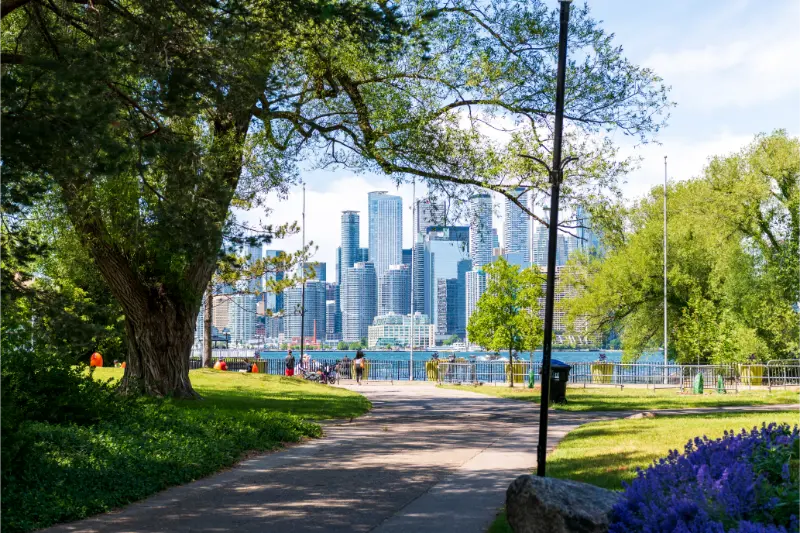
Quick answer: how long should you stay?
For most travellers, 3 to 4 days gives the best balance between seeing the essentials and actually enjoying the destination. The right number changes with your arrival time, season, pace, transport and whether you intend to add day trips.
| Trip length | What it can realistically include | My view |
|---|---|---|
| 1 day | CN Tower and Harbourfront, St. Lawrence Market, Old Town and one evening neighbourhood | Keep the day compact and do not cross the city repeatedly. Choose either a major museum or Toronto Islands, not both. |
| 2 days | Day 1 downtown and waterfront; Day 2 Kensington Market, Chinatown, Queen West and one museum | This is the shortest stay I would recommend for a leisure trip because you finally have time to see both landmark Toronto and a neighbourhood-focused side. |
| 3 days | Add Toronto Islands or Casa Loma/Yorkville and build one evening around food or a sports event | Three days gives enough time to use the TTC sensibly instead of trying to walk between every attraction. |
| 4 days | Add a dedicated neighbourhood or museum day, the Distillery District at an unhurried pace, and extra waterfront time | This is my preferred first-trip length because weather or a late arrival no longer damages the whole itinerary. |
| 5+ days | Use the fifth day for Niagara Falls, Niagara-on-the-Lake, Scarborough Bluffs or a deeper local neighbourhood day | Stay longer only when the extra day has a clear purpose; Toronto can fill a week, but most first-time visitors get an excellent introduction in four days. |
Why I would not plan the trip only by attraction count
A destination can have ten famous sights close together and still need more time than a place with twenty. Transport, opening hours, weather, meals and the simple fact that you need breaks all change what fits into a day. I prefer to plan around two major experiences plus flexible smaller stops rather than stacking timed attractions from breakfast to dinner.
Arrival and departure days are particularly misleading. A four-night trip does not automatically equal five sightseeing days. Airport transfers, hotel check-in, ferry schedules, traffic and an early return flight can reduce the usable time substantially. For this reason I count full days on the ground first and nights second.
If you have 1 day
A realistic plan: CN Tower and Harbourfront, St. Lawrence Market, Old Town and one evening neighbourhood.

Keep the day compact and do not cross the city repeatedly. Choose either a major museum or Toronto Islands, not both.
Build the day geographically. Put nearby sights together, leave room for an unplanned meal or weather change, and avoid crossing the same city or region repeatedly. When an attraction requires a reservation, shuttle, ferry or timed entry, make that the anchor and place flexible stops around it.
If you have 2 days
A realistic plan: Day 1 downtown and waterfront; Day 2 Kensington Market, Chinatown, Queen West and one museum.
This is the shortest stay I would recommend for a leisure trip because you finally have time to see both landmark Toronto and a neighbourhood-focused side.
Build the day geographically. Put nearby sights together, leave room for an unplanned meal or weather change, and avoid crossing the same city or region repeatedly. When an attraction requires a reservation, shuttle, ferry or timed entry, make that the anchor and place flexible stops around it.
If you have 3 days
A realistic plan: Add Toronto Islands or Casa Loma/Yorkville and build one evening around food or a sports event.
Three days gives enough time to use the TTC sensibly instead of trying to walk between every attraction.
Build the day geographically. Put nearby sights together, leave room for an unplanned meal or weather change, and avoid crossing the same city or region repeatedly. When an attraction requires a reservation, shuttle, ferry or timed entry, make that the anchor and place flexible stops around it.

If you have 4 days
A realistic plan: Add a dedicated neighbourhood or museum day, the Distillery District at an unhurried pace, and extra waterfront time.
This is my preferred first-trip length because weather or a late arrival no longer damages the whole itinerary.
Build the day geographically. Put nearby sights together, leave room for an unplanned meal or weather change, and avoid crossing the same city or region repeatedly. When an attraction requires a reservation, shuttle, ferry or timed entry, make that the anchor and place flexible stops around it.
If you have 5+ days
A realistic plan: Use the fifth day for Niagara Falls, Niagara-on-the-Lake, Scarborough Bluffs or a deeper local neighbourhood day.
Stay longer only when the extra day has a clear purpose; Toronto can fill a week, but most first-time visitors get an excellent introduction in four days.
Build the day geographically. Put nearby sights together, leave room for an unplanned meal or weather change, and avoid crossing the same city or region repeatedly. When an attraction requires a reservation, shuttle, ferry or timed entry, make that the anchor and place flexible stops around it.
How season changes the number of days you need
Summer rewards an extra day because the islands, waterfront and events are part of the experience. Winter can still justify three or four days, but you may spend more time in museums and indoor neighbourhood stops. Spring and fall are excellent for walking and generally make a three-day plan easier to execute.
Long summer daylight can make a day feel productive, but peak-season crowds can also add queues and transport delays. In winter, shorter daylight may reduce the number of outdoor stops while creating seasonal experiences that deserve their own time. I therefore keep the same headline duration but change the daily workload rather than simply trying to reproduce a summer itinerary in another season.
Do arrival and departure days count?
If you land at Pearson in the afternoon or evening, do not count that as a full Toronto day. A four-night stay often produces only three useful sightseeing days once airport transfers, check-in and departure are considered.
As a rule, I count an arrival before late morning as a useful partial day, an early-afternoon arrival as an orientation day, and an evening arrival as a travel day. Likewise, a departure that requires leaving for the airport or ferry before lunch should not be counted as a sightseeing day.
Where you stay can save an entire half-day
For a first trip, Downtown, Old Toronto, Yorkville or an area near a subway station keeps a short stay efficient. The farther you stay from frequent transit, the more time you should add to the trip.
For a short trip, location is usually more important than room size. Being able to walk to dinner, reach the first attraction quickly or use frequent transit can return several hours across a three-day visit. On a longer trip, a more residential base or split stay becomes easier to justify.
Do you need a car?
A car is unnecessary for the city itself and can become a burden because of traffic and parking. Use the TTC, walking and occasional ride-hailing; rent a car only if a day trip specifically benefits from it.
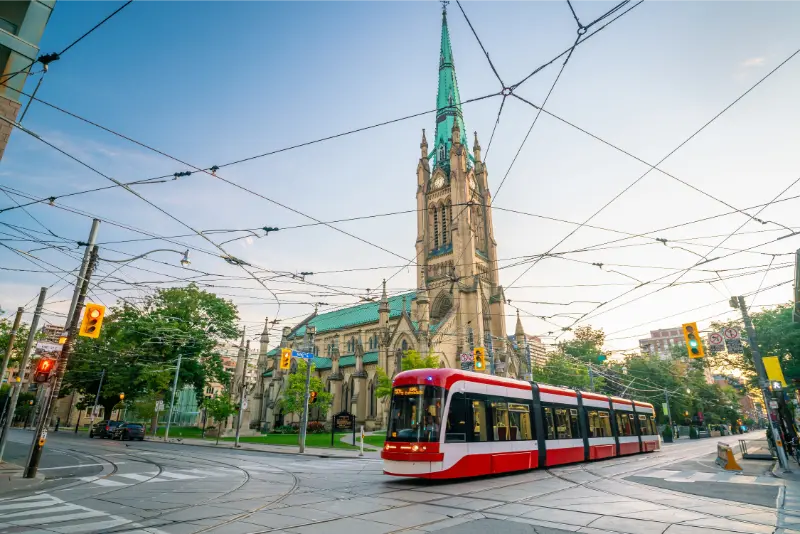
I only add a rental car when it clearly improves the itinerary. In cities, parking and traffic can make a car slower than transit. In national parks, islands and rural regions, the opposite is often true. Calculate the complete transport plan before booking accommodation, because a cheap hotel can become inconvenient if every day starts with a long transfer.
How many days for families, couples and slower travellers?
Families often prefer four days because children need slower meals and breaks. Couples can do an energetic three-day city break. Food-focused travellers may want four or five days because neighbourhood restaurants are one of Toronto’s strongest reasons to stay longer.
Travellers who prefer slower mornings, long meals, photography or frequent rest stops should add roughly one day to the fastest version of the itinerary. That does not mean doing more attractions; it means creating a trip that still feels enjoyable when a museum takes longer than expected or the weather changes.
When an extra day is worth it
Add a day when it unlocks something genuinely different: a day trip, a major hike, a second neighbourhood, a ferry excursion or a weather-sensitive outdoor experience. An extra day is also valuable when your arrival is late, when you are travelling with children, or when the destination has several areas separated by long drives.
I would not add another day merely because a booking site offers a cheaper fourth or fifth night. If the itinerary has already covered your priorities, that time may be more useful in the next destination. This is especially important on Canadian road trips, where moving on at the right moment can improve the whole route.
A simple way to decide your own ideal duration
- Write down the three experiences you would be genuinely disappointed to miss.
- Add any reservation, ferry, shuttle or long-drive constraint.
- Group sights by neighbourhood or geographic area.
- Limit each full day to two major commitments.
- Add one flexible half-day when weather matters.
- Only then choose the number of nights and hotel location.
This method usually produces a more realistic answer than copying an itinerary designed for somebody else. It also makes it obvious whether the trip needs another night or whether you are simply adding more attractions because they exist.
Useful guides for planning the trip
- Toronto Travel Guide: Best Things to Do, Where to Stay and Practical Tips
- 3 Days in Toronto: The Perfect First-Time Itinerary
- Toronto Neighbourhoods Guide: Where to Stay for Your First Visit
- How to Get Around Toronto: TTC, Subway, Streetcars, PRESTO and Car-Free Tips
- Destination Toronto: Plan Your Trip
Final recommendation
For a first visit, I would plan 3 to 4 days. A single day is enough for a concentrated downtown introduction, but it forces you to choose between neighbourhoods, museums and the waterfront. Two days is a good weekend; three days is where Toronto starts to feel like more than a checklist.
If you have less time, reduce the number of areas rather than trying to move faster. If you have more time, use the extra day for a genuinely different experience or a slower pace. That approach produces a better trip than treating the destination as a checklist.