
Toronto in summer makes much more sense when you stop treating the city as a checklist of towers and museums. The season pushes daily life toward Lake Ontario: ferries fill with cyclists and families, beaches become real destinations, patios stretch into the evening and neighbourhood festivals give you reasons to leave the downtown core.
For a first summer visit, I would combine one classic skyline day with the core Toronto sights, one island or waterfront day, and at least one neighbourhood day. The result feels more like being in Toronto and less like moving between ticketed attractions.

Toronto in summer at a glance
- Ideal stay: 4 days for a first summer visit
- Best for: city travellers, food lovers, families, sports and lakefront time
- Car needed? no for the city itself
- Summer strength: long evenings and easy outdoor variety
- Watch for: heat, thunderstorms, festival weekends and ferry queues
Why summer works so well here
Toronto’s size becomes an advantage in summer. You can spend the morning in a market, the afternoon swimming or cycling beside the lake, and the evening in a completely different neighbourhood without leaving the city. The waterfront also creates a cooling counterpoint to dense downtown streets.
Destination Toronto’s official summer guide highlights parks, beaches, festivals and outdoor dining as core seasonal experiences. That is the right way to plan: use indoor landmarks as anchors, but let the weather decide when you are by the lake.
When to go: June, July or August?
June
June often gives warm days without the deepest midsummer heat. Pride programming and other festivals add energy, while the lake can still feel cool. It is a strong month if you want outdoor sightseeing and neighbourhood walks more than beach swimming.
July
July is peak city summer: hot, lively and busy. The Islands, major attractions and waterfront are popular, so early starts matter. Use midday for lunch, galleries or a hotel break if heat builds, then return outside for the long evening.
August
August remains excellent for beaches and waterfront activity. Humidity can still be significant, and sudden thunderstorms can reshape an afternoon. I like August for a slower rhythm: one major activity, one neighbourhood and an evening by the lake rather than a packed museum schedule.
The experiences I would build the trip around
Take the ferry to the Toronto Islands early
The Islands are one of the best reasons to visit in summer. Go early enough that the ferry itself feels enjoyable rather than like a queue management exercise. Centre Island suits families, while Ward’s and Hanlan’s areas can feel quieter depending on your plan. Bring water and treat the skyline view on the return as part of the experience.
Choose a beach for the experience you want
Toronto’s lake beaches are not interchangeable. Woodbine works well when you want a broad east-end beach day, while island beaches pair with cycling and skyline views. Water-quality conditions can change after storms, so check the City of Toronto’s current beach information before swimming.
Walk a neighbourhood instead of another attraction
Kensington Market, Chinatown, Queen West, the Annex, Leslieville and the Distillery District all give a different version of the city. Pick one or two rather than racing through six. Toronto becomes memorable when you notice how food, architecture and street life change between districts.
Use the waterfront from west to east
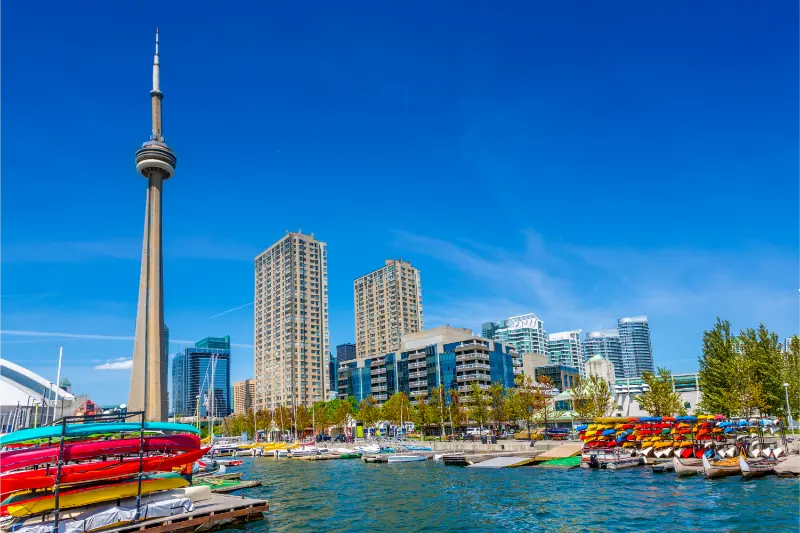
The central waterfront is easiest when you treat it as a linear route. Harbourfront, ferry terminals and lakeside parks can connect naturally with a boat trip or island day. Do not spend the entire time directly beside the busiest tourist strip; some of the best moments come from simply continuing along the water.
Keep one major indoor anchor
A hot or stormy afternoon is the right time for the Royal Ontario Museum, Art Gallery of Ontario or another major indoor stop. Summer itineraries improve when you have one strong indoor experience available instead of trying to force a park day in uncomfortable weather.
Use a festival as context, not the whole itinerary
Toronto’s summer calendar is dense. If a major event overlaps your dates, enjoy it, but do not let the event determine every meal and movement. Festival crowds can make transit and accommodation more expensive, so plan a quieter neighbourhood or island block around the busiest period.
A realistic 4-day Toronto summer itinerary
Day 1: skyline, market and waterfront
Start downtown with one major landmark such as the CN Tower area, continue toward St. Lawrence Market and the waterfront, then finish with dinner in a neighbourhood rather than beside the attraction cluster. Keep the evening flexible for a sunset walk.
Day 2: Toronto Islands
Take an early ferry, walk or cycle between island areas, stop for a beach or picnic, and return before you are exhausted. The skyline on the ferry back is one of the city’s best low-effort summer views. Use the evening for Harbourfront or a relaxed meal.
Day 3: neighbourhoods and culture
Choose Kensington Market and Chinatown or Queen West as the outdoor half of the day, then pair it with the AGO, ROM or another indoor attraction. This protects the itinerary if heat or rain becomes uncomfortable.
Day 4: east end or a day trip decision
Spend the day around the Beaches and Leslieville, or use it for Niagara Falls if that is a priority. I would not squeeze Niagara into a half-day; the transfer deserves its own block. If you stay in Toronto, this final day gives the trip a more local finish.
Getting around without wasting your holiday
You do not need a car for a central Toronto summer stay. Subway, streetcars, buses and walking cover most visitor areas, and the ferry handles the Islands. See our Toronto transport guide for TTC and payment details.
Summer road congestion and event closures make driving less attractive downtown. If you are adding Niagara, Prince Edward County or a wider Ontario route, pick up the rental car when you leave the city rather than paying to park it for several days.
Where to stay
Downtown is easiest for a short first visit, but neighbourhood location can improve the experience. Compare Toronto accommodation and look at walking distance to a subway or streetcar line, not only distance to the CN Tower.
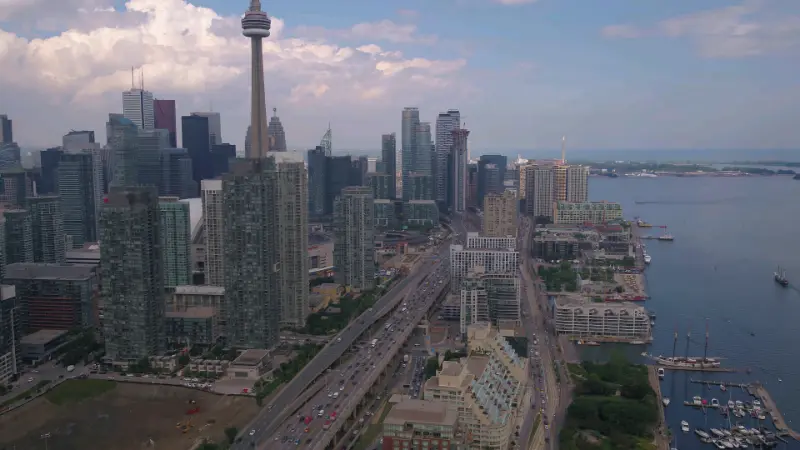
Families often benefit from staying slightly outside the nightlife core while keeping direct transit. Couples and food-focused travellers may prefer Queen West, the Annex or areas with evening restaurants. The best base is the one that reduces daily crossing of the city.
What to book early
Book major observation attractions, headline events and especially summer accommodation when a large festival overlaps your dates. Ferry tickets or operating procedures can change; check the City of Toronto official information close to the trip.
For current seasonal ideas and event updates, use Destination Toronto as a starting point, then verify the specific attraction or event website before paying.
Food and the rhythm of the day
Toronto’s food strength is diversity. Instead of trying to identify one signature dish, build meals around neighbourhoods and communities. A market lunch, casual dumplings, Caribbean food, Middle Eastern cooking, modern Canadian restaurants and summer patios can all belong in the same short trip.
On Island day, carry snacks and water so you are not forced to eat at the busiest moment. In the city, reserve only the dinners that genuinely matter; leaving one evening open often leads to a better spontaneous neighbourhood meal.
Summer weather, smoke and outdoor safety
Summer can bring heat, humidity and fast thunderstorms. Carry water, sunscreen and a light rain layer. If you plan to swim, check current beach and water-quality status rather than assuming a clear day means every beach is suitable.
Cyclists and pedestrians share busy waterfront corridors. On the Islands, do not build an itinerary that depends on catching the last possible ferry. Leave enough time to return calmly, especially with children.
Travelling with children
The Islands, beaches, aquarium, parks and ferry rides make Toronto easy with children. The biggest mistake is forcing young travellers through a long downtown walking day before the fun outdoor part starts.
Put the high-energy experience in the morning and keep a weather-proof attraction for the afternoon. Splash pads, playgrounds and casual food breaks are not wasted time; they are what make a four-day family city trip sustainable.
How to keep the trip from becoming too expensive
Toronto can be expensive, but summer offers many free or low-cost hours: parks, beaches, neighbourhood walks, public spaces and waterfront sunsets. Spend on one or two distinctive attractions rather than trying to monetize every day.
Transit is usually cheaper and easier than downtown parking. For accommodation, a slightly higher nightly rate near useful transit can reduce ride-hailing and save time every day.
Common mistakes to avoid
- Taking the ferry at the busiest time and expecting no queue.
- Booking a downtown rental car you barely use.
- Spending all four days within a few blocks of the CN Tower.
- Ignoring heat and trying to walk the entire city at midday.
- Treating Niagara Falls as a quick two-hour side trip.
- Skipping neighbourhoods because they are not famous landmarks.
- Assuming all beaches have identical swimming conditions.
Related Dreaming of Canada guides
- Toronto Travel Guide
- Toronto with Kids
- How to Get Around Toronto
- Best Time to Visit Toronto
- Niagara Falls Canada Guide
Frequently asked questions
How many days do I need in Toronto in summer?
Four days is a comfortable first visit if you want the Islands and neighbourhoods as well as classic sights. Three days can work, but I would avoid adding Niagara unless you are willing to sacrifice a full Toronto day.
Is Toronto very hot in summer?
It can be hot and humid, especially in July and August. Conditions vary by week, so plan shade, indoor breaks and lakefront time rather than assuming every day will be mild.
Can I swim in Lake Ontario?
Yes at designated beaches when conditions are suitable. Always check official beach status and water-quality information on the day you plan to swim.
Do I need to reserve the Toronto Island ferry?
Ticketing and procedures can change. Buying in advance where available can reduce friction, but the more important tactic is to travel early and avoid relying on the busiest midday departures.
Final thoughts
Toronto’s summer advantage is not one landmark. It is the ability to move between skyline, lake, beach, market and neighbourhood in a single day. Give the waterfront real time, leave space for the weather and the city becomes much more distinctive than a standard downtown sightseeing break.
Disclosure: some links in this article may be affiliate links. If you make a booking through them, Dreaming of Canada may earn a commission at no extra cost to you.