
Jasper in summer still delivers the scale, wildlife and mountain landscapes that make the park extraordinary, but visitors now need to plan with the reality of ongoing recovery from the 2024 Jasper wildfire. The responsible approach is neither to avoid the park automatically nor to assume everything has returned to its previous condition.
Parks Canada’s recovery information states that virtually all trails had reopened by summer 2026, while some places such as Maligne Canyon and Cavell Road remained closed for the 2026 season. Conditions continue to evolve, so pair this article with our Jasper National Park guide and check official bulletins for your exact dates.
Jasper in summer at a glance
- Ideal stay: 5 days
- Best for: hiking, wildlife, dark skies, road trips and less urban mountain travel
- Critical planning point: confirm current wildfire-recovery closures
- Car needed? very useful for most first visits
- Watch for: road work, wildlife, smoke, changing trail conditions and accommodation pressure
Why summer works so well here
Jasper’s advantage over a more concentrated mountain destination is space. The park feels broad, and many of its best experiences come from driving through valleys, stopping at lakes and walking trails that are not all clustered around one village.
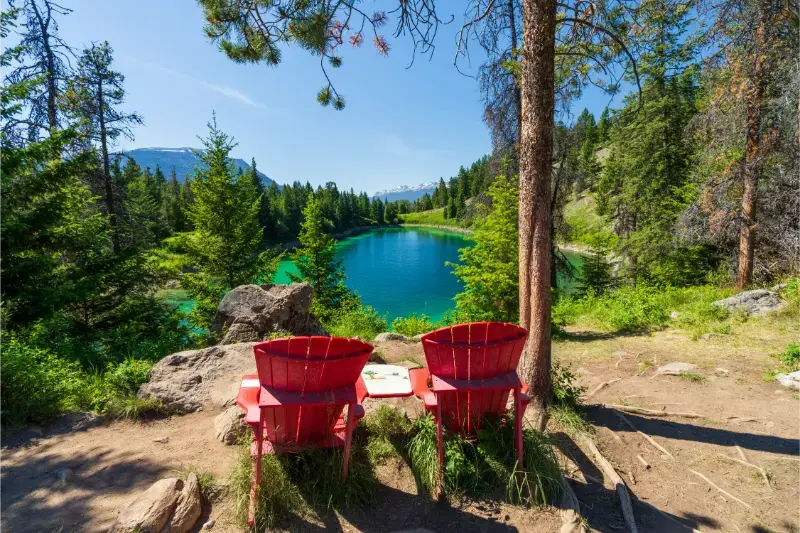
Summer brings long daylight and the widest hiking access, but recovery work can change familiar routes. That makes official information unusually important. A guide written before 2024 may describe access that no longer matches current conditions.
When to go: June, July or August?
June
June brings long days, active waterfalls and a gradual opening of higher trails. Snow can remain at elevation, and some seasonal facilities may not be fully operating early in the month. Wildlife activity is high, so road awareness matters.
July
July offers broad hiking access and the warmest overall conditions, though mountain storms can develop quickly. Accommodation and campgrounds are in strong demand, and smoke can occasionally reduce visibility.
August
August remains excellent for hiking and road trips. Late-summer light can be beautiful, but wildfire conditions across western Canada can shift quickly. Check both local park closures and regional air quality.
The experiences I would build the trip around
Start at the official “what’s open” information
Before choosing hikes, check Parks Canada’s current interactive information, trail reports and bulletins. Recovery can reopen areas faster than old articles suggest, while safety work can also keep iconic places closed longer than visitors expect.
Use lakes as low-intensity anchors
Patricia Lake, Pyramid Lake and other accessible water areas can create a strong day even when high-elevation hiking is not the right choice. Early morning and evening often deliver calmer conditions and better wildlife awareness.
Choose a trail from the current network
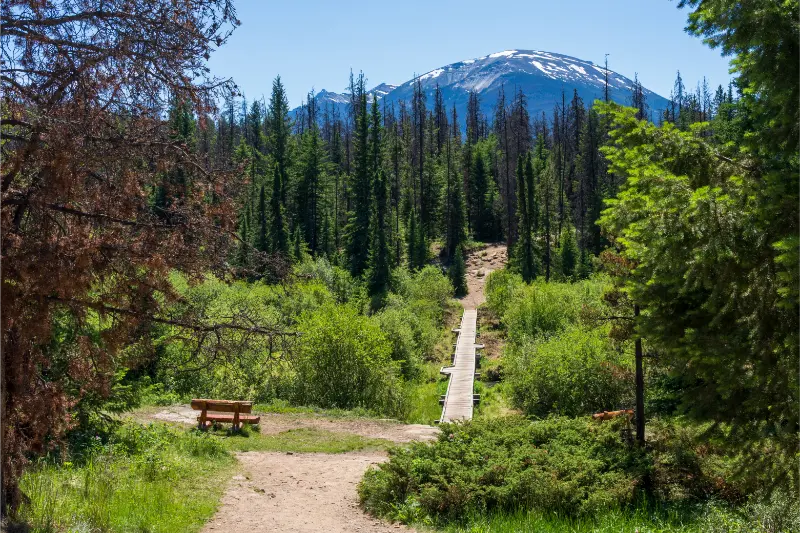
The Valley of the Five Lakes reopened in summer 2026 with improvements, according to Parks Canada. Other trails also returned after recovery work. Pick routes based on current status, not a pre-fire “top ten” list, and respect any closure as active safety information.
Drive with wildlife expectations, not wildlife goals
Elk, bears and other animals may appear near roads. Do not chase sightings or contribute to dangerous roadside congestion. Keep distance, stay inside the vehicle when appropriate and let the animal control the encounter.
Use the Icefields Parkway as part of the stay
If you arrive from Banff, the Icefields Parkway is already one of the major experiences. Do not rush it as a transfer. Weather, construction, wildlife and viewpoints can stretch travel time considerably.
Spend time in the townsite respectfully
Jasper’s community has been rebuilding after the wildfire. Supporting local businesses matters, but visitors should remember they are entering a place where recovery is still personal for residents. Be patient with construction, changed services and areas that look different from old photos.
A realistic 5-day Jasper summer itinerary
Day 1: arrival and current-status check
Keep arrival light. Walk the townsite, visit the Parks Canada information centre or official online updates, confirm the next day’s trail status and choose an easy lake or river walk.
Day 2: lakes and moderate hiking
Use the day for an open lake corridor and a current trail such as Valley of the Five Lakes if conditions suit your group. Keep the route flexible and finish before late-afternoon weather becomes an issue.
Day 3: Maligne area according to current access
The Maligne Lake corridor can still be a major experience even when specific nearby sites are closed. Verify roads and attractions. Do not assume Maligne Canyon access simply because an old itinerary includes it.
Day 4: Parkway or mountain day
Choose a section of the Icefields Parkway, a current mountain trail or another high-value landscape day. Start early and carry supplies because services are limited once you leave town.
Day 5: weather reserve and local recovery pace
Use the final day for the route that weather displaced, or stay close with lakes, cycling and local businesses. A buffer gives you a better chance of seeing mountains clearly than five fixed outdoor reservations.
Getting around without wasting your holiday
A car is highly useful in Jasper because attractions are dispersed. If you are coming from Banff, read our Icefields Parkway road trip guide and treat the road as an experience rather than a commuting corridor.

Fuel up before long park drives and carry water. Construction or recovery work can create delays. Check Alberta 511 and Parks Canada bulletins before assuming old drive-time estimates remain accurate.
Where to stay
Jasper accommodation capacity can be tight, particularly while rebuilding continues. Compare Jasper accommodation early and confirm what services the property currently offers rather than relying on an old review.
Campgrounds and surrounding lodging can also be affected by recovery schedules. If you stay farther away, calculate the real daily drive before deciding the price difference is worth it.
What to book early
Book accommodation and scarce tours early. Trail plans should remain flexible because closures, weather and wildlife activity can change on short notice.
Parks Canada’s current plan-your-visit page should be the final check for what is open. In 2026, official recovery information specifically listed Maligne Canyon and Cavell Road as remaining closed for that season; future status must be verified rather than guessed.
Food and the rhythm of the day
Jasper’s restaurant scene is part of the community recovery, so eating locally is both practical and meaningful. Reserve peak-time dinners when necessary, but keep hiking days simple with packed food.
Once you leave the townsite, services can be sparse. A full water bottle and lunch are basic mountain-trip equipment, not optional extras.
Summer weather, smoke and outdoor safety
Wildlife is one of Jasper’s great attractions, but distance is essential. Bears and elk can be dangerous when people crowd them. Follow park guidance and never leave food accessible.

Fire-affected landscapes can have unstable slopes, hazard trees and changed drainage. That is why closures exist. Do not enter a closed area because the trail looks physically passable from the road.
Travelling with children
Jasper can be excellent with children because lakes, short trails and wildlife viewing offer big rewards without summit-level effort. The key is to choose open routes with realistic distances.
Build breaks around the townsite and lakes. Long park drives followed by long hikes are a poor combination for younger children, even if each experience looks manageable on its own.
How to keep the trip from becoming too expensive
Accommodation is the largest expense. After that, many of the park’s experiences are scenic drives and hikes rather than ticketed attractions. Spend selectively on the tour that adds access or interpretation you cannot create yourself.
Do not save a small amount by staying so far away that you add several hours of driving. Fuel and time are part of the cost.
Common mistakes to avoid
- Using a pre-2024 itinerary without checking current closures.
- Entering closed areas because they look accessible.
- Treating the Icefields Parkway as a fast transfer road.
- Stopping dangerously for wildlife.
- Booking accommodation late in a constrained market.
- Assuming every famous trail is fully recovered.
- Ignoring smoke and mountain weather forecasts.
Related Dreaming of Canada guides
- Jasper National Park Guide
- Best Time to Visit Jasper
- Icefields Parkway Road Trip Guide
- Banff and Jasper Road Trip
- Mount Robson Provincial Park Guide
Frequently asked questions
Is Jasper open after the 2024 wildfire?
Yes, the park and town receive visitors, but recovery continues and specific areas can remain closed. Check Parks Canada’s current “what’s open” and bulletin pages before travel.
Was Maligne Canyon open in summer 2026?
Parks Canada stated that Maligne Canyon remained closed for the 2026 season. Future seasons require a fresh official check; do not rely on that status indefinitely.
How many days do I need?
Five days gives enough flexibility for lakes, hiking, a Maligne-area day, part of the Icefields Parkway and a weather buffer.
Should I still visit?
Yes if the current open areas match your interests and you are comfortable with recovery work. Visit respectfully, support local businesses and accept that some landscapes and services have changed.
Final thoughts
Jasper in summer is still a powerful mountain experience, but the best visitor is now an informed one. Check what is open, respect recovery closures, slow down on the roads and give the community and landscape the patience they deserve.
Disclosure: some links in this article may be affiliate links. If you make a booking through them, Dreaming of Canada may earn a commission at no extra cost to you.