
Montréal in summer is a city that seems to move outdoors. Pedestrian streets, festival stages, terraces, parks and the canal become extensions of daily life, and the best itinerary is rarely the one with the most attractions.
Tourisme Montréal’s official summer guide emphasizes exactly that mix: festivals, food, parks and neighbourhood life. Pair it with our year-round Montréal guide and you can build a visit that feels energetic without becoming a four-day queue.
Montréal in summer at a glance
- Ideal stay: 4 days
- Best for: food, festivals, urban culture, cycling and neighbourhood travel
- Car needed? no
- Summer strength: free events and outdoor street life
- Watch for: heat, humidity and event-driven hotel demand
Why summer works so well here
Summer makes Montréal’s neighbourhood structure easier to understand. Old Montréal may be the visual introduction, but Plateau, Mile End, Little Italy, Verdun and the canal show how the city actually breathes. Pedestrianized streets encourage slow travel rather than destination hopping.
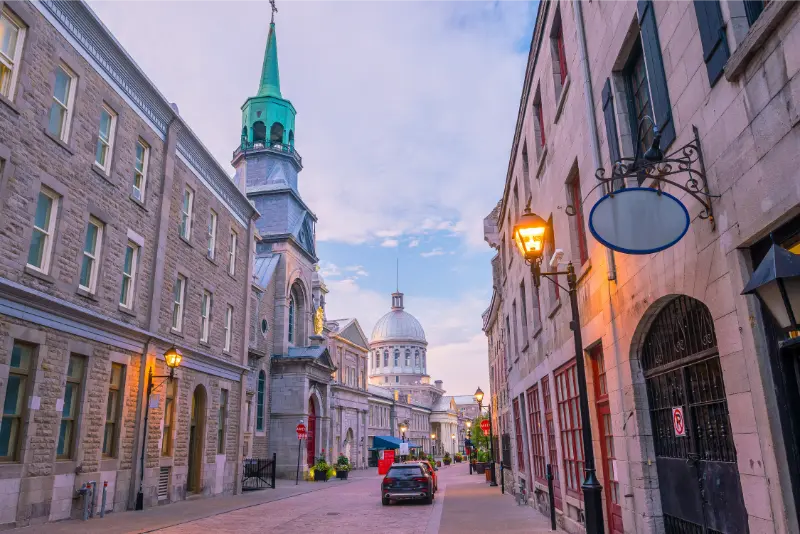
The festival calendar is a major reason to visit, but the city is not dependent on it. Parks, markets, architecture, food and cycling provide a strong itinerary even if your dates fall between headline events.
When to go: June, July or August?
June
June is one of the most appealing months because outdoor life ramps up quickly and festival season begins in force. Evenings are long, but weather can still vary, so carry a light layer for late nights.
July
July is peak energy. Major festivals and crowds concentrate around the Quartier des spectacles, while parks and residential neighbourhoods provide balance. Heat and humidity can be significant, so pace museum and food stops into the hottest hours.
August
August keeps the festival rhythm while parks and terraces remain central. I particularly like it for combining neighbourhood walking with an evening event, because the trip can stay flexible until you know what the weather is doing.
The experiences I would build the trip around
Start with Old Montréal, but do not stay there mentally
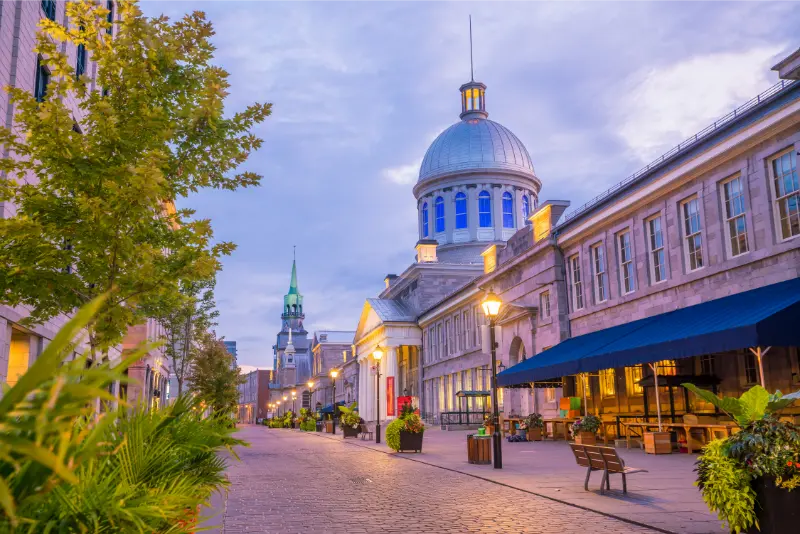
Walk the old streets early, see the Old Port and use the historic core to understand the city’s origins. Then move outward. Montréal becomes far more interesting when Old Montréal is chapter one rather than the whole book.
Climb or walk Mount Royal
Mount Royal is the city’s natural orientation point. The lookout is famous, but the real value is walking through the park and seeing how quickly the dense urban fabric gives way to green space. Go earlier in the day or toward evening during hot weather.
Eat through Mile End and Little Italy
Bagels, bakeries, cafés, market produce and small restaurants create an easy food route. Do not try to turn every local specialty into a competitive ranking; the point is to understand how food sits inside neighbourhood life.
Use the Lachine Canal for movement
Cycling or walking beside the canal connects industrial history, green space and neighbourhoods. It is a good counterweight to the festival core, and it lets you cover distance without feeling as if you are simply transferring between sights.
Attend one event properly
If a major festival overlaps your stay, choose a performance or evening and give it real time. Many outdoor events are free, but the surrounding area can be crowded. Eat earlier, arrive with patience and avoid scheduling a hard reservation across town immediately afterward.
Spend an evening on a pedestrian street or terrace
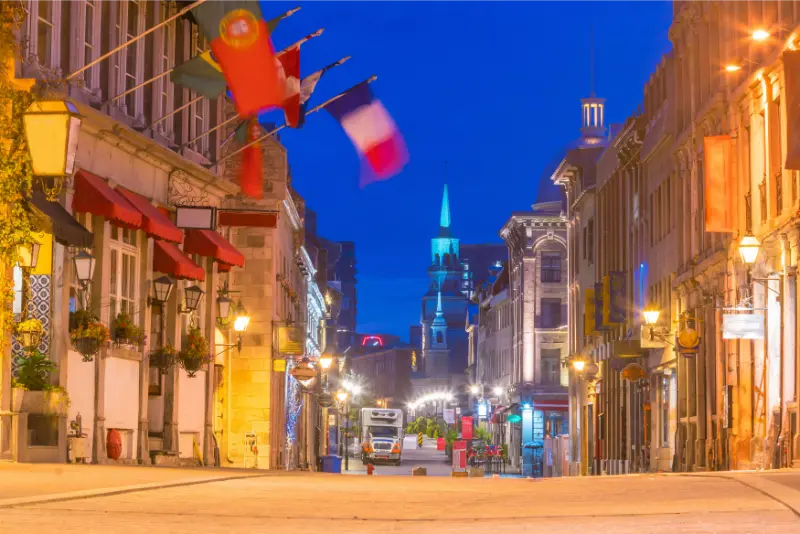
The city’s seasonal pedestrian zones are part of the summer experience. This is where Montréal feels least like a conventional sightseeing destination and most like a place designed for long evenings.
A realistic 4-day Montréal summer itinerary
Day 1: Old Montréal and the river
Walk Old Montréal early, continue to the Old Port, then take a long lunch and return in the evening if an event or sunset interests you. Keep the first day compact so you are not crossing the city after travel.
Day 2: Mount Royal, Plateau and Mile End
Use the cooler morning for Mount Royal, descend toward the Plateau, then continue to Mile End for food and neighbourhood wandering. This is a full day without needing a major paid attraction.
Day 3: market, canal and south-west neighbourhoods
Start with Atwater Market or another food stop, then use the Lachine Canal for cycling or walking. Finish in a neighbourhood such as Verdun where the evening feels distinct from downtown.
Day 4: culture and festival flexibility
Choose the museum or cultural attraction that genuinely interests you, then leave the late afternoon and evening open for a festival, Parc Jean-Drapeau, a terrace or any weather-dependent plan you moved from earlier days.
Getting around without wasting your holiday
The metro and buses make a car unnecessary. BIXI can be useful for short bicycle trips when you understand the system and feel comfortable riding in a city. See our Montréal transport guide for the practical setup.
During major events, stations and streets near venues can be extremely busy. Walking one station farther or eating away from the event core can save time. A rental car is more appropriate when you leave for the Eastern Townships, Laurentians or a wider Québec road trip.
Where to stay
Old Montréal is beautiful but not automatically the best base for every traveller. Downtown is practical, the Plateau feels more neighbourhood-focused, and areas near a metro station can make the whole city accessible. Compare Montréal accommodation early for major festival weekends.
If nightlife matters, check what is below or beside your hotel before booking. If sleep matters more, a residential base with direct metro access may be better than the busiest entertainment district.
What to book early
Book headline festival tickets, special restaurants and accommodation when your dates overlap a major event. Leave parks, markets and neighbourhood walks unbooked so they can move around heat and rain.
Festival dates change each year. Use Tourisme Montréal and the event’s official site rather than an old blog post for exact schedules, venue entry rules and cancellations.
Food and the rhythm of the day
Summer eating in Montréal is as much about geography as cuisine. Jean-Talon Market, Mile End bakeries, Plateau terraces and neighbourhood ice cream or coffee stops can form the skeleton of a day.
You do not need every meal to be a famous institution. Mix one reservation with casual counters, market food and spontaneous neighbourhood meals. That balance feels more Montréal than spending the whole trip chasing a list.
Summer weather, smoke and outdoor safety
Heat and humidity can be intense. Carry water, use shade and put the steepest Mount Royal walking outside the hottest part of the day. Thunderstorms can develop quickly, so have an indoor cultural stop available.
Cyclists, pedestrians and cars share busy urban space. Use designated routes where possible and follow local traffic signals. At large festivals, keep valuables secure and agree on a meeting point if travelling as a group.
Travelling with children
Families can combine parks, markets, riverfront areas, science attractions and festivals without needing a theme-park style schedule. The metro reduces walking when children are tired.
Choose one long outdoor block per day, not three. A picnic or playground pause can turn a demanding city day into a successful family day without reducing the amount you experience.
How to keep the trip from becoming too expensive
Montréal’s summer advantage is the quantity of free urban life. Public parks, street art, pedestrian zones and many outdoor festival performances cost nothing. Spend on the cultural attraction or meal that matters most.
Metro passes can be better value than repeated single trips when you plan several neighbourhoods. Accommodation is the biggest variable, so compare event dates before fixing flights if your schedule is flexible.
Common mistakes to avoid
- Spending the entire trip in Old Montréal.
- Trying to attend several major festivals or shows on the same day.
- Ignoring heat and climbing Mount Royal at the worst time.
- Renting a car for a central stay.
- Eating only at famous institutions found on every list.
- Planning a rigid schedule that leaves no room for spontaneous street life.
Related Dreaming of Canada guides
- Montréal Travel Guide
- Montréal with Kids
- How to Get Around Montréal
- Best Time to Visit Montréal
- Best Day Trips from Montréal
Frequently asked questions
Is Montréal worth visiting in summer?
Yes, especially if you value outdoor culture, food and festivals. It is one of the seasons when the city’s public spaces are most animated.
Do I need French?
You can visit the main tourist areas with English, but using basic French greetings is courteous and adds to the experience. Montréal is officially French-speaking and its language is part of the destination, not an obstacle to work around.
Is four days enough?
Four days gives you Old Montréal, Mount Royal, several neighbourhoods, markets and at least one festival or museum without rushing. Add more time for day trips.
Do I need a car?
No for the city. Metro, buses, walking and cycling are more convenient. Rent a car only when you leave Montréal for rural Québec.
Final thoughts
Montréal in summer is not a city you conquer attraction by attraction. It works when you let a market lead into a neighbourhood, a park lead into a terrace, and one festival evening replace three smaller plans. That rhythm is the real seasonal experience.
Disclosure: some links in this article may be affiliate links. If you make a booking through them, Dreaming of Canada may earn a commission at no extra cost to you.