
Solo travel in Vancouver works best when you design the trip around freedom rather than trying to reproduce a couples or group itinerary alone. The advantage is obvious: you can change neighbourhoods when you feel like it, spend two hours in a museum nobody else wanted to see, eat when you are hungry and leave an attraction the moment it stops being interesting. The challenge is that every transport decision, late-evening choice and accommodation cost is yours to solve.
This guide is built for independent travellers who want a realistic Vancouver city break: where to stay, how to move around, what feels natural to do alone, how to add social contact when you want it, what to do after dark, where solo travel becomes expensive and how I would structure a three-day first visit.
Quick solo-trip snapshot
| Question | Practical answer |
|---|---|
| Good for a first solo city break? | Yes, with a central base and a simple first-day plan |
| Need a rental car? | Usually not for the core city; useful mainly for selected regional trips |
| Best trip length | 3 days for a first visit; 4 if you want a slower pace or a day trip |
| Best solo strategy | Walkable hotel + transit + one optional group activity |
| Main solo cost issue | Accommodation, because you are not splitting the room |
Why Vancouver works well when you travel alone
The strongest solo destinations are not necessarily the cities with the most attractions. They are the places where you can leave the hotel without a complicated plan, move between neighbourhoods independently and find activities that do not feel designed only for pairs or groups. Vancouver gives you enough museums, markets, parks, food and neighbourhood wandering to build a full day without needing anyone else to make the experience work.
What matters is resisting the urge to over-schedule. Solo travel can become strangely exhausting when you feel responsible for “making the most” of every hour. I prefer one anchor activity in the morning, one neighbourhood in the afternoon and one clear evening plan. The freedom between those anchors is where travelling alone becomes enjoyable.
Where to stay in Vancouver as a solo traveller
My shortlist would start with Downtown for a first trip, the West End for seawall access and a more residential rhythm, or Yaletown for dining and straightforward SkyTrain connections. A solo hotel is partly about atmosphere, but logistics matter more: the walk back after dinner, access to transit, whether there is somewhere nearby to eat without making a reservation, and how the street feels when you return in the evening.
Do not automatically choose the cheapest room outside the centre. A CAD 25–40 nightly saving can disappear through rideshares, extra fares and the time cost of long transfers. Solo travellers also benefit disproportionately from reception, luggage storage and easy check-in, so compare the full practical package rather than only the room size.
For a detailed area-by-area comparison, read our where to stay in Vancouver guide.
Getting around Vancouver alone
TransLink combines SkyTrain, buses and SeaBus; for a solo city stay, this is usually easier than keeping a rental car downtown. The advantage of public transport when travelling alone is not only price. It removes parking decisions, lets you change the day spontaneously and avoids paying the full cost of a taxi every time you move across town.
I still use rideshare or a licensed taxi strategically: very early departures, late arrivals with luggage, extreme weather, or an evening when the transit route requires several awkward changes. Saving money is useful; turning every journey into a test of endurance is not.
Check current fares and service before travel on the official local transit website. Route patterns, construction and payment options can change.
Best things to do alone in Vancouver
These are not “solo-only” attractions. They are places that work particularly well alone because you control the pace, do not need a group to unlock the experience and can combine them naturally with cafés, neighbourhood walks or public transport.
- Stanley Park and the Seawall — a strong solo stop because you can set your own pace and stay as long or as little as you want.
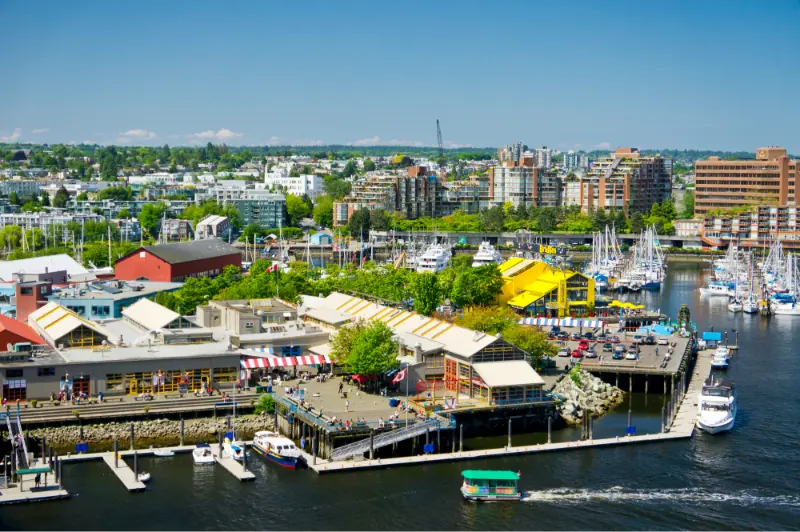
- Granville Island — a strong solo stop because you can set your own pace and stay as long or as little as you want.
- Vancouver Art Gallery — a strong solo stop because you can set your own pace and stay as long or as little as you want.
- Museum of Anthropology at UBC — a strong solo stop because you can set your own pace and stay as long or as little as you want.
- Gastown — a strong solo stop because you can set your own pace and stay as long or as little as you want.
- Kitsilano Beach — a strong solo stop because you can set your own pace and stay as long or as little as you want.
- False Creek — a strong solo stop because you can set your own pace and stay as long or as little as you want.
- Commercial Drive — a strong solo stop because you can set your own pace and stay as long or as little as you want.
The mistake I would avoid is treating this as a checklist. Pick three or four that match your interests. Solo travel is better when you use the freedom to go deeper rather than using it to race faster.
How to meet people without turning the trip into a group holiday
Travelling alone does not mean you need to be social all day. I find the easiest balance is to book one activity where conversation happens naturally: a food tour, cycling tour, Granville Island workshop, group day tour to Whistler or a guided nature experience gives you company without forcing the whole trip to be social. You meet people for a defined period, share an experience and still keep the rest of the day completely yours.
Hostel common areas can work even if you book a private room, while food halls, public markets, workshops and event seating are often easier social environments than walking into a loud bar hoping to start a conversation. If you prefer solitude, skip all of this. A successful solo trip does not need to produce new friends.
Eating alone in Vancouver
Eating alone becomes much easier when you stop treating every meal as a formal restaurant occasion. Markets, counter-service restaurants, food halls, cafés and bar seating let you try local food without feeling that you are occupying a table designed for four people. Use one meal per day for a restaurant you genuinely care about and keep the rest flexible.
If a popular restaurant takes reservations, booking an early or late slot for one can actually be easier than finding a table for a group. Sit at the bar when available, bring nothing more distracting than a small notebook or phone, and let yourself enjoy the fact that nobody is negotiating what to order.
What to do in the evening when you are alone
A good solo evening has a destination. In Vancouver, I would choose sunset on the seawall, a performance downtown, dinner in Yaletown or the West End, or a well-attended event where getting back by transit is simple. That is different from telling yourself you will “see what happens” and then walking around unfamiliar streets after the daytime crowds disappear.

Know the route back before you leave. Save the hotel address offline, keep enough battery for navigation and transport, and switch to a taxi/rideshare if weather, service changes or your own comfort level makes the original plan unattractive. You never need to justify choosing the easier option.
Practical safety without turning the trip into a fear exercise
No city is risk-free, and broad labels such as “safe city” or “unsafe neighbourhood” are too crude to plan a real trip. Use normal urban precautions: keep valuables controlled, pay attention around transit hubs and nightlife areas, avoid isolated shortcuts when streets are empty, use licensed transport, and trust your judgement if a situation feels wrong.
For solo outdoor activities, the standard should be higher. Tell someone your plan when heading onto a trail, carry water and appropriate clothing, check closures and conditions, and do not assume cellular service will solve every problem. In wilderness areas, wildlife and weather deserve more attention than urban crime stereotypes.
If you want the latest local context, check the destination’s official visitor information at the official tourism website shortly before departure.
Solo travel budget: where the extra cost appears
The room is usually the biggest penalty because one person pays the full nightly rate. After that, solo travel can actually be efficient: transit fares are individual, you can eat casually whenever you want, and you never pay for an attraction just because somebody else wanted to go.
- Spend on location: a walkable base can reduce evening rideshares and wasted time.
- Save on transport: use public transit for routine trips and taxis only when they solve a real problem.
- Mix meal styles: one memorable restaurant plus markets/cafés is usually better value than three formal meals.
- Choose group tours selectively: pay for context, difficult transport or social value—not simply because you are alone.
- Compare final hotel totals: taxes, parking and destination fees matter more than the headline nightly rate.
A realistic 3-day solo itinerary in Vancouver
Day 1: orient yourself before chasing attractions
Start with the most walkable central district and one major landmark or museum. Eat lunch somewhere informal, then spend the afternoon in a neighbourhood that shows everyday city life rather than another headline sight. Keep the first evening simple and close to your hotel. The goal is to understand distances, transit and your own energy level.
Day 2: your strongest interest + one social option
Use the morning for the attraction you care about most. After lunch, move into a different part of Vancouver and leave enough unscheduled time to follow something you notice. If you want company, this is the best day for a food tour, walking tour, workshop or event. You already know the city well enough to get there without first-day stress.
Day 3: outdoors, market or deeper neighbourhood time
Build the final full day around weather. On a good day, choose a park, waterfront, cycling route or longer walk. In poor weather, swap in a museum, gallery and a long meal. End with the evening experience you did not want to risk on arrival night.
Should you add a day trip?
Whistler is the most straightforward mountain day trip if you prefer not to rent a car. A coach or organised excursion is easier solo than solving parking and winter driving; stay overnight if mountain activities are the main goal.
As a solo traveller, a day tour can be more than transport: it is also a low-effort way to spend a social day. But do not book a tour only because you think you are “supposed” to see the region. An extra unhurried day in the city can be more satisfying than 10 hours on a bus.
Bad-weather backup plan
Vancouver rain is easier to handle when you plan by neighbourhood: Granville Island, a museum, a café and an evening show can fill a good day without spending it commuting under an umbrella.
Solo travellers have one big advantage in bad weather: nobody needs convincing when plans change. Keep tickets flexible where possible and decide in the morning whether the original outdoor plan still makes sense.
Best time for a solo trip to Vancouver
Summer is easiest for seawall cycling and beach time; spring and fall are excellent if you accept rain. In winter, city travel remains practical but mountain conditions require separate planning and proper gear.
For solo travel, I care less about chasing the theoretical “best month” and more about matching daylight, weather and opening hours to the way I want to spend evenings. A cheap winter flight is not a bargain if your dream trip is mostly patios, cycling and long park walks.
Common solo-travel mistakes
- Booking the cheapest hotel too far out. You pay the difference in time and evening transport.
- Scheduling every meal. Solo trips benefit from the ability to change plans instantly.
- Doing too much on day one. Arrival fatigue feels worse when nobody else is sharing decisions.
- Using headphones everywhere. Stay aware around roads, stations and unfamiliar streets.
- Assuming solo means car-free wilderness is automatically easy. Trail logistics, wildlife and weather still need preparation.
- Staying indoors because dining or nightlife alone feels awkward. Choose formats that suit one person rather than skipping the city after 6 p.m.
Solo-travel checklist before you leave
- Book the first nights in a location you can explain in one sentence to a driver or transit employee.
- Save your hotel address and booking offline.
- Download the local transit tool or bookmark the official planner.
- Keep a backup payment card separate from your main wallet.
- Share any remote hiking or road-trip plan with someone you trust.
- Check the route home before an evening event begins.
- Leave one half-day deliberately unplanned.
Where to book accommodation
For solo travel I use map view before price filters because location has an outsized effect on the trip. You can compare accommodation in Vancouver on Booking.com, then cross-check the exact block against the neighbourhood and transit you plan to use.
Also read our complete Vancouver travel guide before paying for a non-refundable room. Your itinerary should choose the hotel—not the other way around.
Frequently asked questions
Is Vancouver good for a first solo trip?
Yes, especially if you stay centrally and keep the first day straightforward. The hardest parts of solo travel are usually accommodation cost, late-evening logistics and regional excursions—not finding things to do.
Do I need a car when travelling alone in Vancouver?
Not for a typical central city break. Rent one only when a specific day trip or onward road trip justifies the cost and parking.
How many days should I spend alone in Vancouver?
Three full days is a strong first visit. Add a fourth for a day trip, a slower pace or a specialist interest such as museums, food or outdoor activities.
Is it strange to eat alone?
No. Markets, bars with food, cafés, food halls and counter seating make solo dining easy. Reserve a table for one when a restaurant genuinely matters to you.
Final thoughts
Solo travel in Vancouver is at its best when you use independence to simplify rather than complicate the trip. Stay somewhere that makes daily movement easy, build around a few experiences you genuinely care about, add one group activity only if you want company, and leave enough empty space for the city to surprise you.
The goal is not to prove how independently you can travel. It is to create a trip where being alone gives you more choices.