
Vancouver in Winter is not simply the summer version of the destination with snow added. Winter changes how long it takes to move, which neighbourhoods feel convenient, when outdoor attractions operate and how much energy a full sightseeing day requires. The best trip is built around the season rather than trying to defeat it.
This guide is for travellers who want a practical cold-season plan: what is genuinely worth doing, how to dress, when to use transit or a car, how to handle short daylight and bad weather, and how to build a realistic itinerary without spending the whole holiday cold or exhausted.
Vancouver in Winter at a glance
- Core winter period: November through February for the city’s wettest, darkest season, while nearby mountains hold winter snow much longer
- Ideal stay: 3 days for a first winter visit
- Biggest planning issue: weather and surface conditions can change the order of activities
- Best strategy: one major outdoor block plus one warm indoor anchor each day
- Booking rule: reserve fixed-date events and scarce experiences, keep the rest flexible
Why visit in winter?
Winter can reveal a version of the destination that summer visitors never see. Public spaces are used differently, food becomes part of the warming strategy, evening light arrives earlier and local seasonal traditions move to the centre of the experience. The reward is not merely fewer crowds; it is a different rhythm.
The trade-off is that you cannot plan by kilometres alone. A twenty-minute walk can become an unpleasant forty-minute effort in wind, slush or deep cold. A mountain road can change from simple to serious within hours. That is why this guide repeatedly emphasises flexibility: winter rewards travellers who choose the best activity for the actual day instead of following a fixed list.
2026–27 winter planning update
Winter 2026/27 sightseeing on the PEAK 2 PEAK in Whistler is scheduled from November 20, 2026 to April 18, 2027, subject to mountain operations. In Vancouver itself, seasonal attractions and light events change dates yearly, so verify current programmes rather than relying on last winter’s calendar.
Use the official destination or event page as the final source for current dates, closures, weather-related changes and operating hours. Winter programming is more vulnerable to weather adjustments than summer sightseeing.
Weather: what it actually means for your day
Vancouver winter is different from the postcard version of Canadian cold. In the city, rain is more common than deep snow and temperatures are often relatively mild, while the North Shore mountains can be fully wintry. The key packing challenge is staying dry: waterproof footwear and a genuinely rainproof shell matter more than an enormous expedition parka for most downtown days.
Do not choose clothing based only on the forecast high. Morning wind chill, evening temperature, wet snow and time spent standing still all matter. The easiest system is modular: warm base layer, insulating layer and weatherproof shell, with the option to remove layers indoors. Good footwear is more important than owning the thickest coat.
How the winter changes month by month
Late November and December
This is usually the best period for festive lights, markets and pre-holiday atmosphere, but natural snow and ice conditions may still be developing. Do not assume lakes or outdoor rinks are ready simply because the calendar says December.
January
January brings some of the coldest and darkest conditions. It is excellent for serious winter atmosphere and often quieter after the holiday peak, but you need stronger clothing and more conservative outdoor timing.
February
February often combines established snow conditions with major winter festivals and slightly longer daylight. It can be one of the best months for a dedicated winter trip, though event weekends may increase hotel prices.
March
Daylight improves and milder afternoons become more common, but conditions are less predictable. Snow can still be deep in mountain destinations while city streets cycle between snow, slush and bare pavement.
Best things to do in winter
Walk Stanley Park selectively
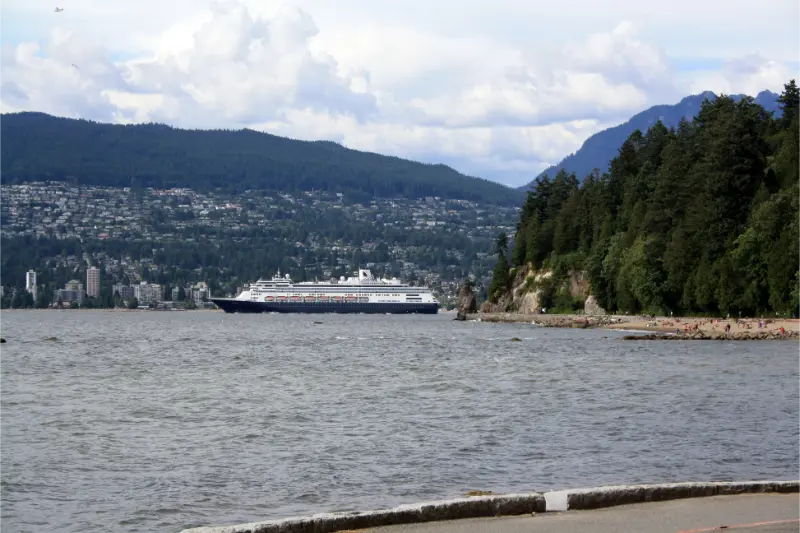
Winter is a good time for quiet seawall sections and forest walks, but do not treat the full loop as compulsory in steady rain. Choose a one- to two-hour section, then warm up elsewhere.
Use Granville Island as a weather-proof anchor
The market, studios and food counters make Granville Island ideal for a wet morning. Arrive early, eat something local and combine it with a short False Creek ferry ride if conditions are comfortable.

See the mountains without committing to a ski day
Grouse Mountain, Cypress and Mount Seymour can give you snow even when downtown is green. Check road, lift and visibility conditions before paying for transport or tickets.
Explore neighbourhoods through food
Gastown, Chinatown, Mount Pleasant, Commercial Drive and the West End all suit a winter trip because the best experience comes from short outdoor walks between cafés, restaurants and shops.
Visit the Museum of Anthropology or another major indoor attraction
A planned indoor cultural block adds depth and gives the itinerary resilience. Winter is a better season to spend three thoughtful hours inside than to race through a museum because sunshine is calling.
Take an evening waterfront walk
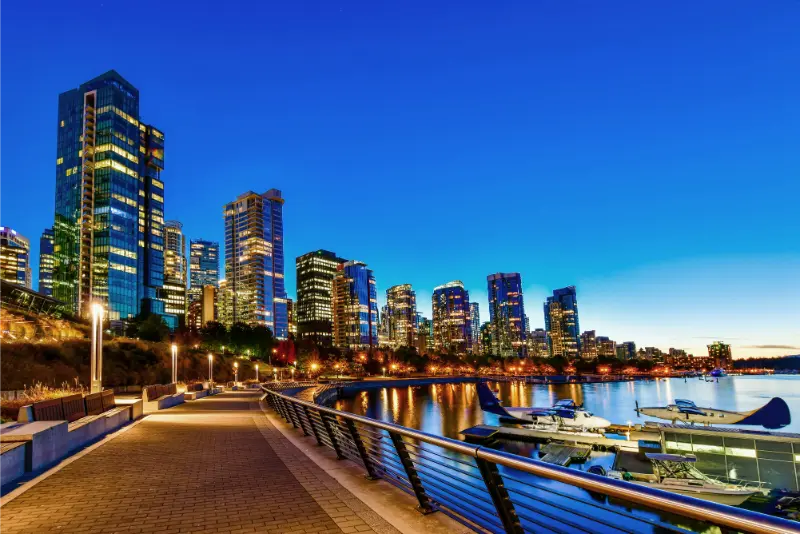
Coal Harbour and the Convention Centre area are atmospheric after dark. Choose a short route and accept that the best winter city moments may be between showers rather than under perfect skies.
A realistic 3-day winter itinerary
Day 1: arrive slowly and understand the city
Keep the first day compact. Check in, confirm the next day’s weather and start with walk stanley park selectively. Add one nearby indoor stop, then finish with a warm dinner rather than crossing the destination repeatedly. Winter arrival days are often slower because of delayed flights, wet luggage, icy sidewalks or the simple time required to adjust clothing.
Day 2: the signature winter experience
Use the best forecast window for use granville island as a weather-proof anchor and see the mountains without committing to a ski day. If either depends on ice, snow, lifts, roads or outdoor event operations, verify status that morning. Leave the evening lighter so you can extend the outdoor block when conditions are excellent or retreat inside without losing a prepaid plan.
Day 3: neighbourhoods, food and flexibility
Build the day around explore neighbourhoods through food and visit the museum of anthropology or another major indoor attraction, with enough time for a long lunch or museum. This is also the day to move any weather-dependent experience that did not work earlier. Finish with take an evening waterfront walk or a relaxed evening close to the hotel.
Getting around in winter
Use transit aggressively when it saves exposed walking. Winter is not the season to prove that every neighbourhood can be reached on foot. Check live service alerts before leaving, allow extra transfer time and avoid scheduling an expensive timed attraction immediately after a flight or intercity connection.
If you rent a car, verify the legal and rental-company requirements for winter tyres in the province and on your route. Clear the entire vehicle before driving, keep washer fluid topped up and never let a scenic stop override safe parking. In mountain and northern destinations, carry emergency supplies and check highway conditions before every longer drive.
Where to stay
Downtown, the West End and Yaletown are easiest for a first winter visit because they reduce transfer time and keep restaurants close. Staying near a SkyTrain station is especially useful when rain makes long walks less appealing.
Compare winter accommodation on Booking.com. Pay attention to cancellation terms, parking charges, breakfast hours and walking distance to transit, not only the room price.
What to pack
- Waterproof, insulated footwear with real traction rather than smooth fashion soles
- A warm base layer, insulating mid-layer and wind-resistant outer layer
- Gloves or mittens, warm hat and neck protection
- Small daypack with an extra dry layer and portable charger
- Sunglasses and sunscreen for bright snow, especially in mountain areas
- Reusable water bottle; dehydration is easy to overlook in cold weather
- Compact traction aids when icy sidewalks or winter trails are likely, where permitted
- One lighter indoor outfit so museums, restaurants and overheated transit do not become uncomfortable
For severe-cold destinations, upgrade this list with insulated trousers or snow pants, face protection and heavier boots. For wet coastal cities, prioritise waterproofing and fast-drying layers. Cotton jeans may be fine for a restaurant evening but are poor outdoor insulation once wet.
Food and warm-up strategy
Winter suits Vancouver’s ramen, sushi, Chinese food, seafood and coffee culture. Plan neighbourhood meals rather than only downtown restaurant reservations; the city’s diversity is one of its strongest reasons to visit in a wet season.
A useful winter rule is to stop before you are cold, not after. Put cafés, markets and museums into the route deliberately. A twenty-minute warm-up can make the next outdoor hour enjoyable and prevents the entire group from becoming tired at the same time.
Travelling with children
For families, use a flexible “dry–wet–dry” rhythm: indoor attraction, short outdoor stop, warm meal. Science World, Granville Island and the aquarium area fit naturally into a child-friendly winter plan, while mountain snow can become a separate half- or full-day adventure.
Carry spare gloves or mittens because wet hands end outdoor activities quickly. Keep snacks accessible and choose a hotel where returning for a midday reset is realistic. A shorter successful winter day is better than forcing the family through every item on a summer-style checklist.
Photography in cold weather
Cloud and rain can improve Vancouver photography by creating reflections and low drama around the harbour. Bring a small lens cloth, use covered arcades and building edges as shooting positions, and save mountain viewpoints for the clearest forecast window.
Condensation is one of the least obvious risks. When moving from deep cold into a warm building, keep the camera zipped in its bag for a while so it warms gradually. Snow also fools camera meters; check exposure rather than assuming automatic settings will preserve white detail.
Budget strategy in winter
Winter is not automatically cheap. City hotels may offer better value outside holidays and festival weekends, while ski destinations can be at their most expensive. Instead of chasing the lowest nightly rate, compare the total cost of location, transport, parking and equipment. A central hotel that lets you use transit can be cheaper than a remote bargain plus daily taxis or a rental car.
Reserve the hardest-to-replace item first: festival-week accommodation, ski lessons, aurora tour, timed attraction or holiday-week restaurant. Keep flexible items such as neighbourhood walks and museums movable so weather can dictate the final order.
Best bad-weather plan
Heavy rain is a cue to prioritise markets, museums, galleries, breweries, neighbourhood food and transit-linked stops. Do not waste half a day waiting in the hotel for a dry forecast; Vancouver works when the itinerary is designed to function in rain.
Freezing rain, high wind or poor visibility should change the plan faster than ordinary snowfall. Save one or two strong indoor experiences for exactly this reason instead of visiting every museum on the first sunny day.
Day trips and excursions
Whistler is possible as a winter day trip, but it deserves an overnight if skiing or the village atmosphere is central to your trip. Squamish and the Sea-to-Sky corridor also depend heavily on road and weather conditions.
Winter day trips need a stricter turnaround time than summer ones. Darkness arrives earlier, roads take longer and a delayed return can become stressful quickly. If the excursion is the main reason for travelling, consider one overnight rather than trying to force it into a narrow daylight window.
Safety: cold, ice and winter driving
Winter safety in Canada is mostly about respecting conditions rather than fearing them. Check the hourly forecast, wind chill, road reports and attraction status before leaving the hotel. A temperature that looks manageable on paper can feel very different after twenty minutes beside a lake, on an exposed bridge or while waiting for transit. Natural ice should never be treated as safe simply because other people are standing on it; use maintained rinks or surfaces that local authorities explicitly monitor.
If you drive, clear every window and light before moving, leave more braking distance than you would on dry pavement and avoid building a schedule that depends on mountain or highway travel during a storm. Keep a charged phone, water, warm layers and a small emergency kit in the vehicle. For outdoor trails, daylight is short and snow can hide uneven ground, so turn around earlier than you would in summer.
Common mistakes to avoid
- Copying a summer itinerary and simply adding a winter coat.
- Assuming natural ice is safe without official monitoring or local confirmation.
- Wearing smooth-soled shoes because the streets look clear from the hotel window.
- Planning every outdoor activity for a fixed day months in advance.
- Underestimating how much energy repeated cold-to-warm transitions require.
- Driving during a storm because a hotel or attraction is prepaid.
- Leaving no buffer for delayed flights, snow clearing or reduced daylight.
- Spending the best-weather day indoors and saving the signature outdoor experience for later.
Related Dreaming of Canada guides
- Vancouver Travel Guide
- Best Time to Visit Vancouver
- 3 Days in Vancouver
- How to Get Around Vancouver
- Canada in Winter: Weather, Driving, Clothing and Trip Planning
Frequently asked questions
Is winter a good time for a first visit?
Yes, if you genuinely want a winter experience and are willing to dress for it. If you dislike cold, icy sidewalks or weather-dependent plans, another season will be easier. Winter should be chosen for what it adds, not only because a flight is cheaper.
Do I need a rental car?
Not necessarily in major cities. Transit can be better because you avoid parking, snow clearing and winter driving. A car becomes more useful for mountain, rural or coastal excursions, but only when you are comfortable with the conditions.
How many hours should I stay outside at once?
There is no universal number. Wind chill, wet clothing and activity level matter more than the clock. Build the day around frequent indoor warm-ups rather than attempting one continuous outdoor marathon.
Can events or outdoor attractions close because of weather?
Absolutely. Ice, wind, extreme cold, heavy snow and poor visibility can change operations. Check the official source on the day of your visit, especially for skating, lifts, mountain roads and outdoor festivals.
Should I buy winter clothes after arriving in Canada?
You can, but arriving without adequate footwear and a warm layer is risky. Bring the basics from home, then add specialised items locally if the forecast is more severe than expected.
Final thoughts
A successful winter trip is not the one with the longest checklist. It is the one that uses the clearest afternoon for the view, the coldest morning for a museum, the best snow day for the mountain and the stormiest evening for a long meal. Build flexibility into the plan and winter becomes an advantage rather than an obstacle.
Disclosure: some links in this article may be affiliate links. If you make a booking through them, Dreaming of Canada may earn a commission at no extra cost to you.