
A romantic Vancouver getaway works best when the trip feels like time together rather than a list of attractions completed side by side. Vancouver makes romance feel unusually easy because city time and outdoor scenery sit side by side. You can start with coffee in a neighbourhood, cycle beside the ocean, cross the harbour by SeaBus and still be back downtown for dinner. The trick is resisting the temptation to turn every romantic day into an exhausting checklist of mountains, beaches and attractions.
This guide is designed for couples planning a weekend, anniversary, honeymoon stop or simply a city break with a little more atmosphere. It focuses on where to stay, what is genuinely enjoyable as a pair, how to keep the pace relaxed and where spending more money actually improves the experience.
Is Vancouver a good destination for couples?
Yes, especially if you choose the city for the kind of trip it does well rather than trying to force a generic “romantic weekend” formula onto it. Romance can mean a long waterfront walk, a neighbourhood dinner, a museum afternoon, a spa, a view, live music or a day in nature. The strongest plan usually combines two or three of those instead of making every hour feel like a special occasion.
Vancouver makes romance feel unusually easy because city time and outdoor scenery sit side by side. You can start with coffee in a neighbourhood, cycle beside the ocean, cross the harbour by SeaBus and still be back downtown for dinner. The trick is resisting the temptation to turn every romantic day into an exhausting checklist of mountains, beaches and attractions.
Where to stay for a romantic trip
The West End is a strong couples base for Stanley Park, beaches and relaxed evenings; Yaletown works for polished waterfront dining; Coal Harbour is convenient for views and the seawall; Kitsilano feels more residential and beach-oriented; Gastown is atmospheric but should be chosen block by block. A harbour or mountain view can be worth paying for if you will actually spend time in the room.
For a two- or three-night getaway, location deserves more weight than room size. A hotel that lets you walk home after dinner or stop for coffee before sightseeing reduces logistics and creates more spontaneous time together. You can compare romantic stays in Vancouver on Booking.com, then check the property against your evening plans rather than choosing by star rating alone.
Read our where to stay in Vancouver guide before booking if you are unsure which district fits your style.
The best romantic walk
The seawall is the obvious romantic walk, but do not treat the full loop as a casual stroll if you also have a full sightseeing day planned. English Bay to Stanley Park is easy to pair with sunset. Granville Island and the False Creek waterfront create a second, food-focused walking day.

A good couples walk should leave room to stop. Do not measure success by kilometres. Build the route around one café, market, garden, gallery or viewpoint, and let the streets between them become part of the day. If the weather is poor, shorten the outdoor section rather than cancelling it completely.
Where to go for sunset or evening views
English Bay is the simplest sunset choice. For a different perspective, ride SeaBus across Burrard Inlet and watch the downtown skyline change from the North Shore. Queen Elizabeth Park also gives elevated city and mountain views without committing to a mountain excursion.
Sunset times vary dramatically across Canada by season, so check your exact date instead of using a generic itinerary. In June, evening light can last surprisingly late; in winter, the same viewpoint may make more sense before dinner. Cloud, smoke, fog and rain can also matter more than the exact minute of sunset.
A romantic rainy-day plan
Rain is part of Vancouver travel. A good couples rainy-day plan might combine Granville Island, the Museum of Anthropology when open to your dates, an art gallery, a long lunch, a thermal or hotel spa and a cocktail bar. Waterproof shoes are often more useful than waiting in the hotel for perfect weather.
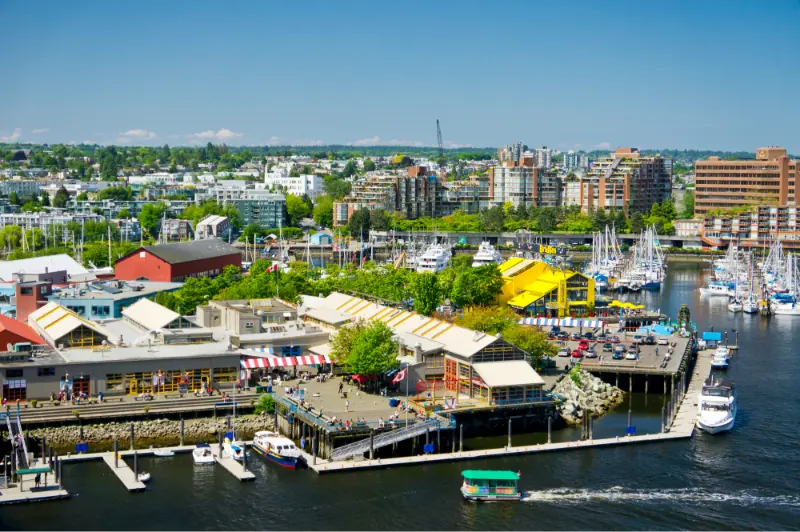
The easiest mistake is treating indoor activities as second best. A thoughtful rainy-day plan can be more relaxed than chasing views in poor visibility. Keep one museum, gallery, spa, food hall or performance in reserve and move it forward when the forecast changes.
Our Vancouver rainy-day guide gives you more weather-proof options.
Plan one memorable dinner, not three expensive dinners
Vancouver’s food scene gives couples an unusually broad range from sushi and seafood to Chinese, Korean, Punjabi and contemporary West Coast cooking. Consider one dinner outside downtown—Richmond or Mount Pleasant, for example—rather than treating the hotel district as the entire culinary map.
For a short romantic trip, one restaurant reservation with meaning is usually enough. It gives the weekend an anchor without making every evening rigid. On the other nights, let the neighbourhood determine where you eat. This also protects you from paying premium prices for a meal that looks romantic online but forces an inconvenient cross-city trip.
For neighbourhoods, local specialties and practical food planning, see the Vancouver food guide.
Should you add a spa?
A spa works particularly well on a wet afternoon or after a long cycling/walking day. If you are heading into the mountains later in the trip, decide whether you want the spa experience in the city or at a mountain property rather than paying for both.
Before booking a spa, compare the full experience: travel time, treatment length, access to thermal facilities and what you will give up in the itinerary. A two-hour booking in the middle of the day can actually occupy four hours door to door. If relaxation is the point of the trip, that is worthwhile; if not, a room upgrade or dinner may create more value.
How to keep the weekend romantic without overspending
The city can be expensive in summer, but many of its most romantic moments are free: beaches, seawall walks, parks, viewpoints and harbour ferries at ordinary transit prices. Spend selectively on a special meal, a room upgrade or one mountain experience instead of paying for every attraction.
A useful rule is to choose one accommodation upgrade, one food splurge and one paid experience. Everything else can come from parks, waterfronts, markets, neighbourhoods and ordinary city life. This avoids the trap of equating romance with constant premium pricing.
See free things to do in Vancouver for ideas that leave more budget for the experiences you care about.
Best time of year for couples
Summer offers long evenings and beach sunsets, but it is also peak demand. Spring is excellent for blossoms and gardens; autumn can be beautiful and calmer; winter is rainier in the city but can pair urban dining with snow in the nearby mountains.
There is no universally best month. Choose the season that matches the relationship between indoor and outdoor time you want. Couples who love patios and long walks may prefer summer or shoulder season; couples who enjoy hotels, food, theatre, spas and winter atmosphere can have an excellent trip in colder months with lower expectations for long outdoor days.
A day trip that works well for couples
Bowen Island is a gentle couples day trip that feels different from downtown without requiring a huge travel day. Whistler is a bigger commitment and works better as an overnight if romance and relaxation matter more than checking another destination off the list.
The day trip should change the mood of the weekend, not just add another famous name. Calculate total transport time, parking/ferry waits and the last practical return connection. If a destination deserves dinner and sunset, consider making it an overnight rather than racing back to the city.
Anniversary and proposal planning
For a proposal or anniversary, always have a rain-proof plan. A sunset beach moment may be perfect, but a reservation with a view or a thoughtful indoor backup prevents coastal weather from becoming a crisis.
For proposals, avoid depending on a single crowded outdoor point with no alternative. Visit the location earlier if possible, know where you can move if a tour group arrives, and keep weather in mind. If photographs matter, think about light, crowds and whether you want a private moment first and pictures second.
For anniversaries, the most successful plan is often simpler: a hotel that feels special, a half-day with no reservation, then one meal or performance you are genuinely excited about. The weekend should not become event management.
Do you need a car?
The Canada Line makes YVR-to-downtown arrival easy, and SkyTrain/SeaBus/buses cover most romantic city plans. A car is more useful for Sea-to-Sky or countryside travel than for the downtown portion of the trip.
Many Canadian city centres are more enjoyable without a car because parking, traffic and hotel fees add friction. If the romantic highlight is a countryside day trip, rent only for that part of the journey. This also makes airport arrival easier after a long flight.
For your first transfer, see our Vancouver airport-to-downtown guide.
Romantic things to do that are not cliché
- Choose a neighbourhood bakery or café and make breakfast a slow part of the day.
- Take ordinary public transport that offers a view—a ferry, tram, streetcar or scenic rail segment—rather than paying for a packaged sightseeing ride.
- Visit a food market and build a picnic when weather allows.
- Pick one small gallery, bookstore or design shop you would never include in a first-time highlights itinerary.
- Go back to a place you enjoyed earlier in the trip instead of constantly searching for something new.
- Leave one evening intentionally unplanned and decide after lunch how much energy you have.
The Vancouver hidden gems guide is useful when you want the second layer of the city rather than another landmark list.
How to plan a romantic hotel stay
When comparing rooms, check what you will actually notice: view, bed size, soundproofing, bath/shower setup, late checkout, breakfast, parking and proximity to dinner. “Romance packages” can be good value, but sometimes the price is mainly a bottle of sparkling wine and chocolates added to a standard rate. Compare package inclusions with the normal room price before booking.
If you are arriving late, a convenient first-night hotel may be more valuable than a remote luxury property. You can always move to a more distinctive stay once you have time to enjoy it.
How much time do couples need in Vancouver?
Two nights can work for a focused weekend if you stay centrally. Three nights is better because it gives you one full day without arrival/departure pressure and room for weather changes. Four nights makes sense if a day trip, spa or slower food-focused day is important.
Do not extend the stay simply to add attractions. Add time when it allows you to slow the pace, explore a second neighbourhood or spend a day outside the city.
A 3-day romantic Vancouver itinerary
Day 1: West End, Stanley Park, English Bay sunset and dinner. Day 2: Granville Island, False Creek, Mount Pleasant or Kitsilano, then a special dinner. Day 3: Queen Elizabeth Park and neighbourhood time, or a North Shore/SeaBus outing; use rain as the reason to swap in a spa or gallery rather than cancel the day.
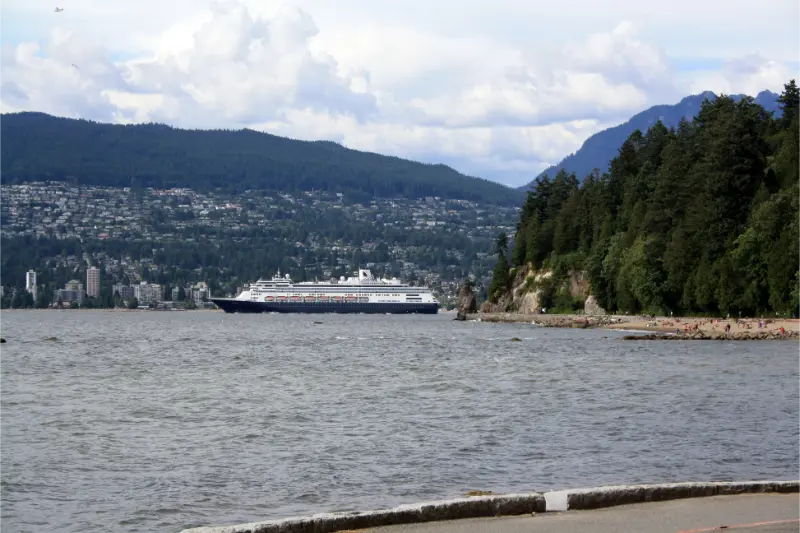
Keep the order flexible. The first thing to move should be the most weather-sensitive outdoor block; the last thing to move should be the reservation you made because it matters to you. That simple rule prevents one rainy morning from breaking the whole weekend.
What to pack for a couples city break
- Comfortable shoes you can wear to dinner after a long walking day.
- A compact rain layer rather than relying only on an umbrella.
- One warmer layer than the daytime forecast suggests for waterfronts and evening viewpoints.
- A small day bag that does not become annoying in restaurants or museums.
- A portable battery if you use your phone for maps, transit, photos and reservations.
- One slightly smarter outfit only if your restaurant, theatre or hotel plans justify carrying it.
Common romantic-trip mistakes
Common mistakes are trying to combine Stanley Park, North Shore mountains and Granville Island in one rushed day, booking a romantic hotel without checking the immediate block, assuming rain ruins the trip, and spending so much on paid attractions that you leave no time for the scenery that makes Vancouver special.
- Planning every hour because you want the weekend to feel “special”.
- Booking a hotel for the room photos while ignoring the neighbourhood.
- Choosing restaurants only from social media rather than by location and menu.
- Forcing an outdoor plan in bad weather instead of swapping the order.
- Spending so much on premium experiences that you stop enjoying simple walks and neighbourhoods.
- Adding a day trip that consumes most of a short weekend.
Official information to check before your trip
Restaurants, hotel packages, spas, seasonal attractions and event schedules change. Use Destination Vancouver for current destination information and check each attraction or restaurant directly before travelling. For broader couples-trip ideas across the country, see our romantic Canada guide.
Continue planning Vancouver
Vancouver travel guide · where to stay in Vancouver · Vancouver food guide · Vancouver hidden gems · free things to do in Vancouver · Vancouver rainy-day guide · Vancouver airport to downtown guide
Disclosure: some links in this article are affiliate links. If you make a booking through them, Dreaming of Canada may earn a commission at no extra cost to you.